
Buying
Living in Waimea (Kamuela):
What Buyers Should Know
 By Carol Porter, Realtor® · September 29, 2026
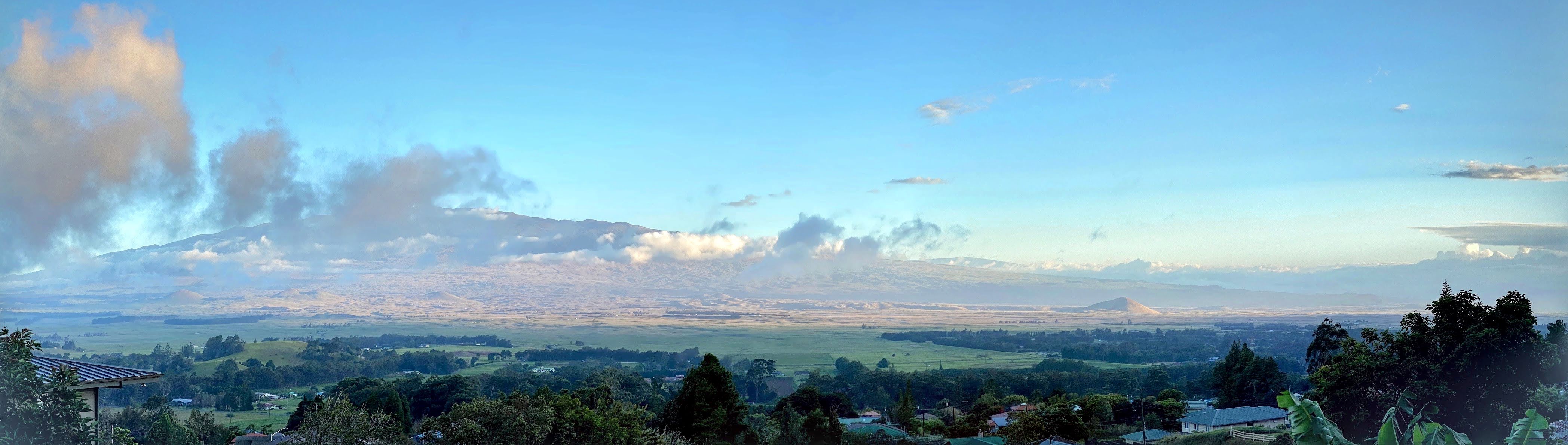
Waimea surprises people. At roughly 2,500 feet, it is green, cool, and pastoral—a working ranch town between Kohala Mountain and Mauna Kea. It has schools, a regional hospital, a performing arts center, farmers markets, restaurants, shops, and the kind of everyday community infrastructure you do not find in a resort.
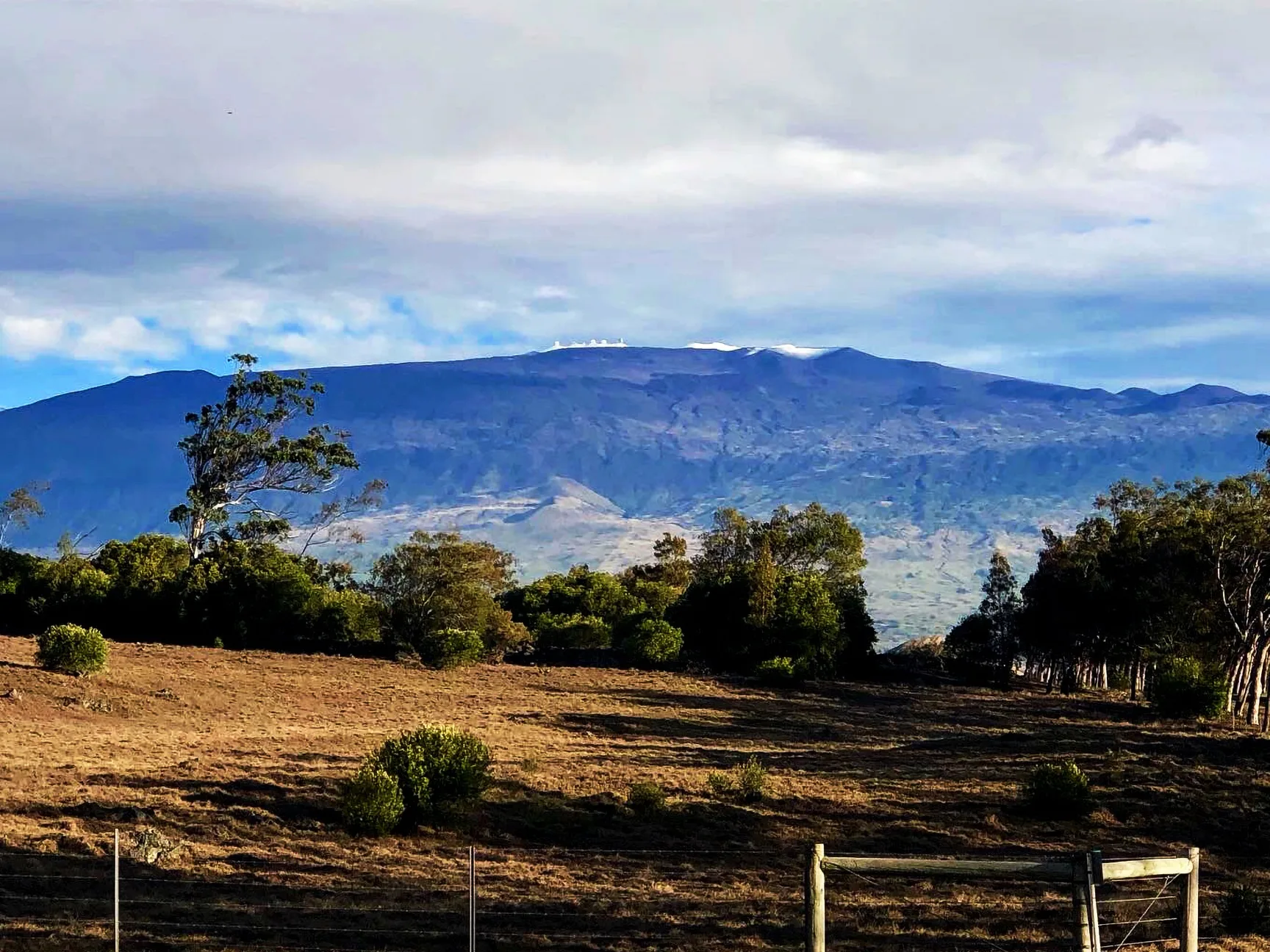
I have written a separate, more comprehensive guide to Waimea’s history, paniolo culture, geology, climate, and character. If you want to understand how the town became what it is, start with Waimea (Kamuela): Cool Pastures, Paniolo Country, and Life Below Mauna Kea.
This article has a different purpose. If you are seriously considering buying in Waimea, there are some practical distinctions that matter considerably more than the generalized descriptions you will find in an online property search.
Start with location, not “Waimea weather”
Waimea is substantially cooler than the Kohala Coast, but there is no single Waimea climate.
Conditions change noticeably across town. The eastern and northern sides toward the Kohala slopes and Hāmākua tend to be greener, wetter, and mistier. As you move west toward Kawaihae, conditions generally become drier and sunnier. Wind and exposure vary as well.
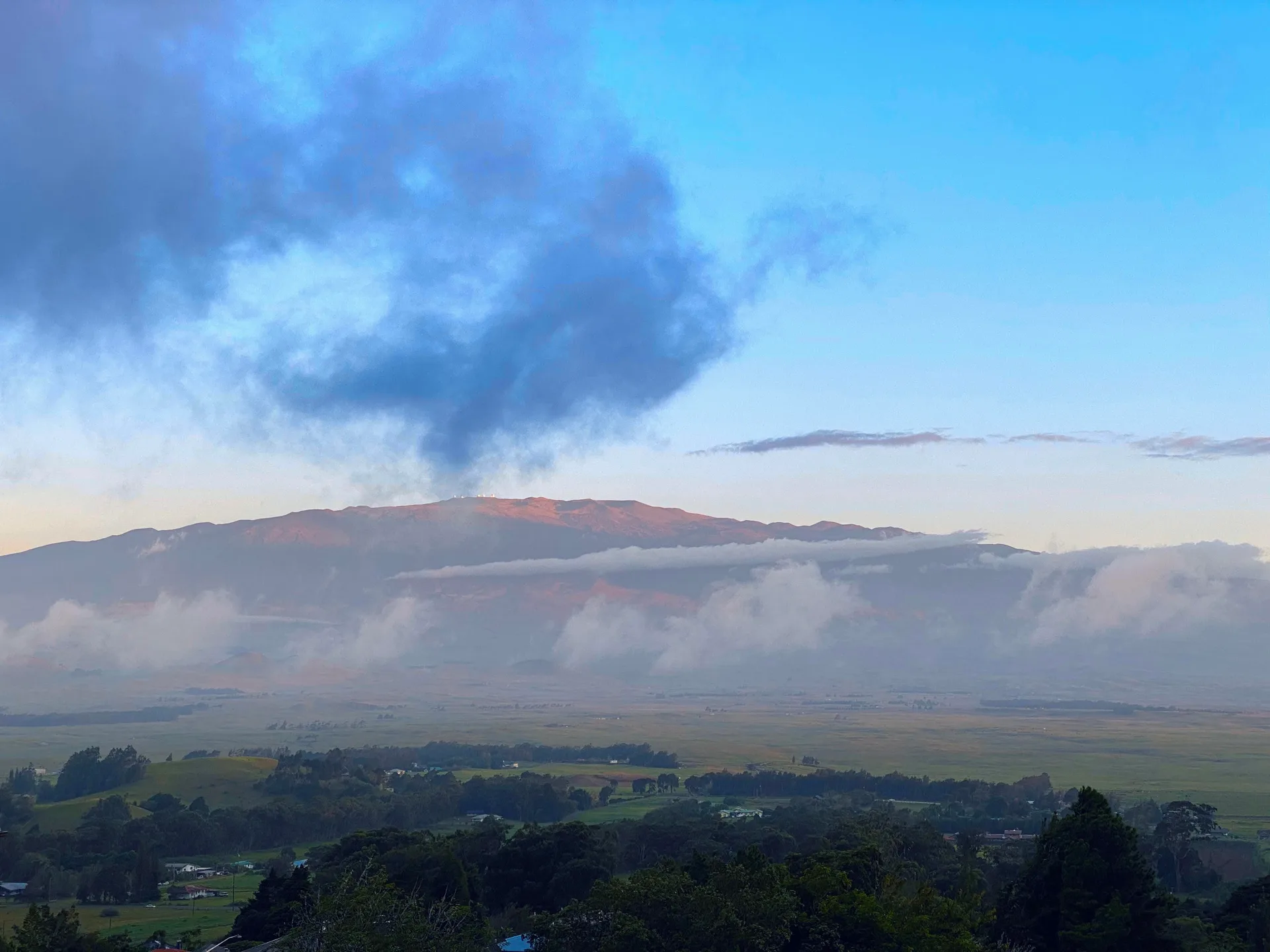
For a buyer, those differences are not trivia. They affect sunshine, drainage, landscaping, moisture, outdoor living, home maintenance and simply how the property feels from day to day. Two houses only a few miles apart can provide very different living experiences.
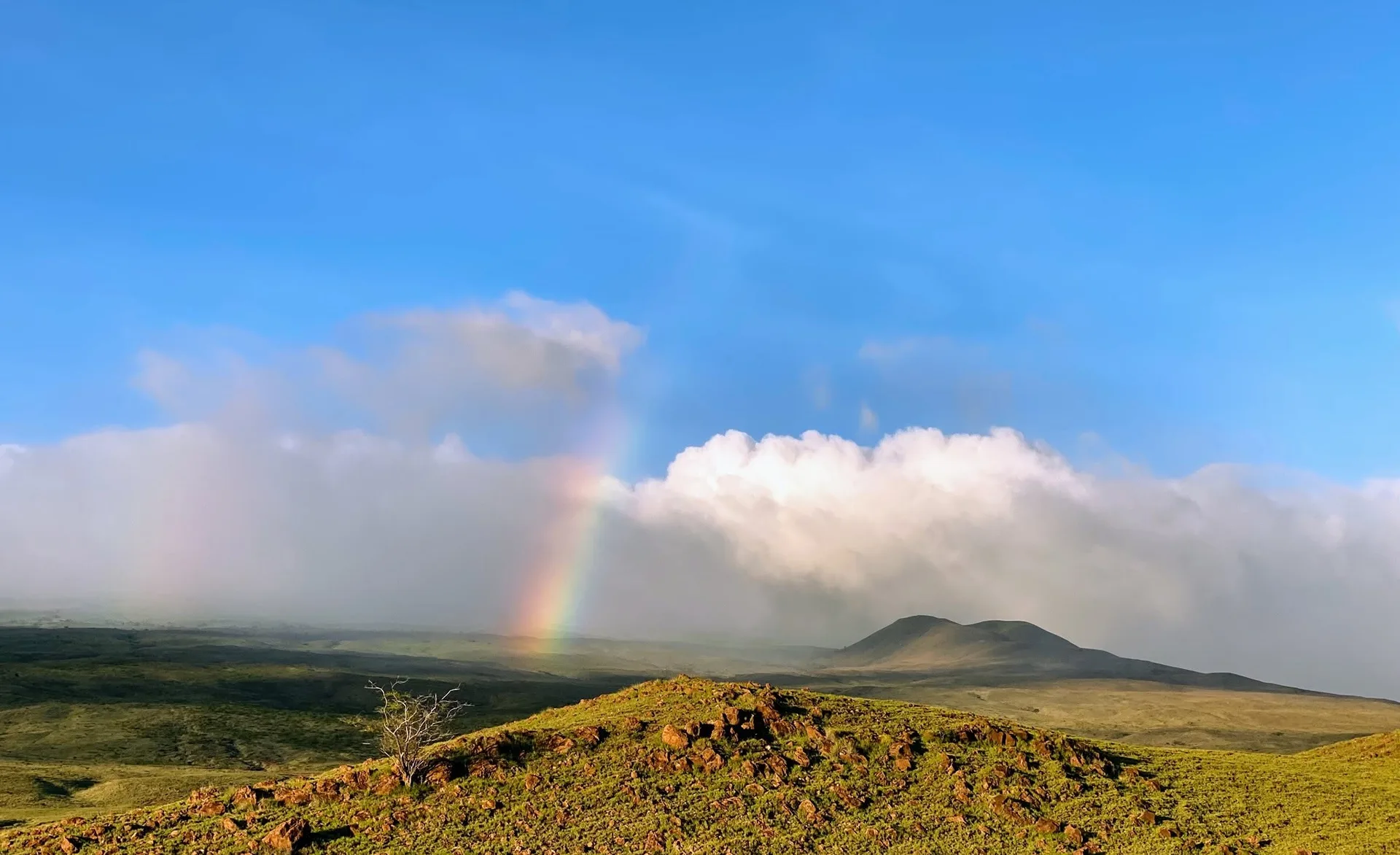
When you are serious about a property, I recommend seeing it at different times and, when possible, under different weather conditions. Pay attention not just to the neighborhood but to the orientation and exposure of the particular lot.
The house needs to suit the climate
A house designed around sea-level Hawaiʻi assumptions is not necessarily the right house at 2,500 feet.
When I look at a Waimea property with a buyer, I want to know how the house handles sun, wind, rain and cooler temperatures. Heating—or the lack of it—can matter. So can insulation, ventilation, drainage, roof condition, moisture control and the orientation of windows and outdoor spaces.
Covered lanais are still valuable, but their usefulness depends on exposure. A beautiful outdoor area facing the wrong direction can be considerably less inviting when the wind and mist arrive.
These aren't necessarily defects. They are characteristics of the house and site that affect comfort, maintenance and cost, and they are worth understanding before you buy.
Waimea housing is not one market
Another problem with researching Waimea online is that “Kamuela” and ZIP code 96743 extend well beyond Waimea town. Property searches and automated market summaries can mix Waimea residential properties with multimillion-dollar homes and condominiums in Kohala Coast resorts and residential communities.
That can produce a very distorted picture of both inventory and prices.
I don't use a 96743 median to tell a buyer what “Waimea” costs. An older in-town home, a newer subdivision home, a condominium, a one-acre residential property, an equestrian property and a large ranch parcel are different markets. I look at the relevant Waimea submarket and comparable properties rather than treating the ZIP code as though it were a neighborhood.
For updated information about the broader market, see my current market statistics.
Waimea’s housing stock is similarly varied. You will find older plantation- and ranch-era homes, established residential neighborhoods, newer planned communities, custom homes, acreage and substantial ranch and equestrian properties. Age alone doesn't tell you whether a house is a good choice, but it does tell you where to look carefully: renovations and permits, electrical and plumbing systems, roof history, drainage, moisture management and how the house has been adapted over time.
Acreage is more than a larger yard
Land is part of Waimea’s appeal. It can also be a significant responsibility.
If you are considering acreage, agricultural land or an equestrian property, look beyond the number of acres. Zoning and permitted uses matter. So do water, fencing, pasture condition, drainage, access, outbuildings and their permits, livestock facilities, vegetation management and the cost of maintaining all of it.
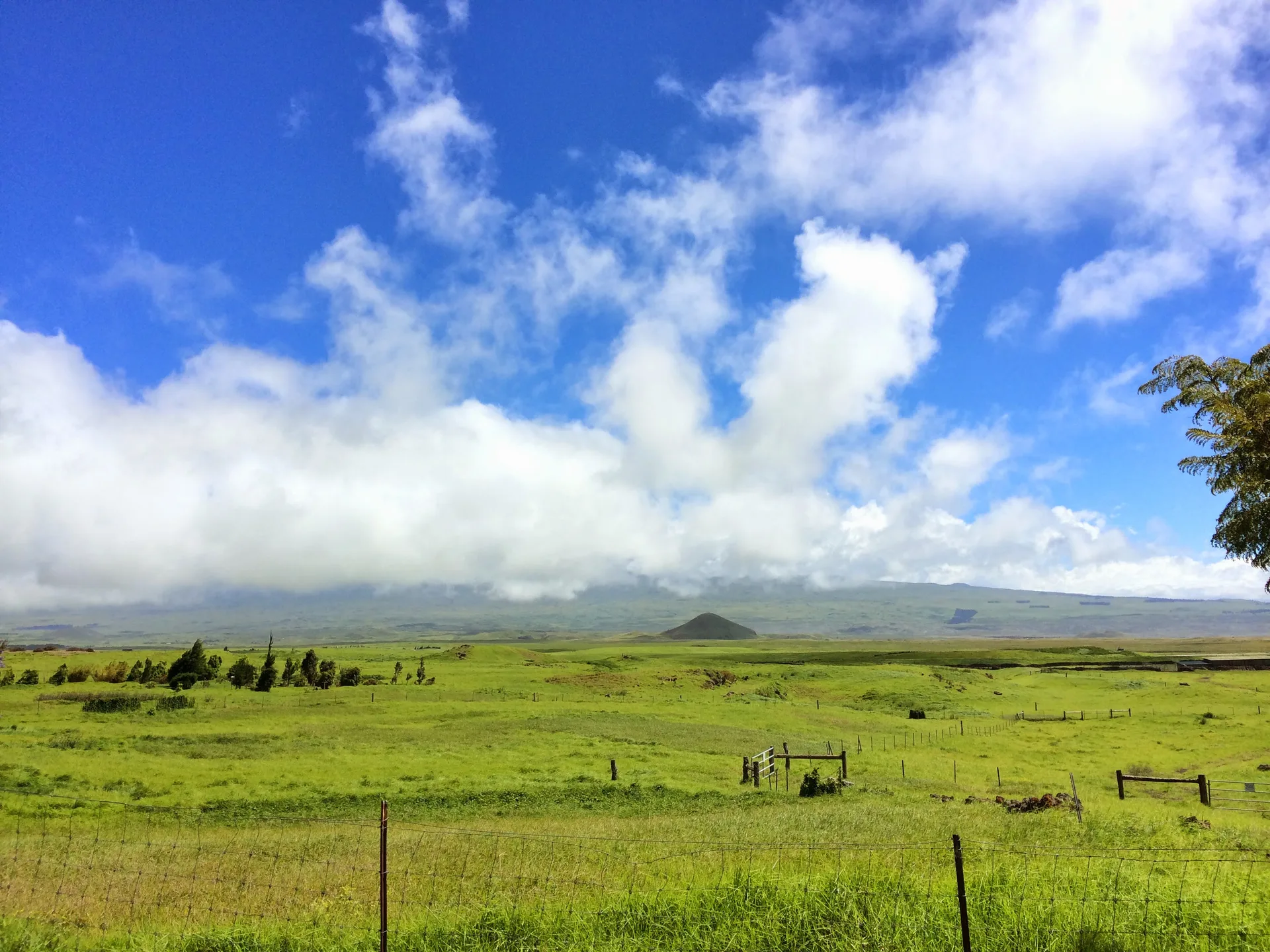
Acreage that looks wonderfully open and uncomplicated during a showing can represent a substantial continuing commitment of time and money.
For the right buyer, that is part of the pleasure of owning it. It simply needs to be part of the purchase decision rather than something discovered afterward.
Waikii Ranch: An equestrian community with a Kamuela address
Waikii Ranch offers an acreage and equestrian lifestyle beyond Waimea town. This gated community on Mauna Kea’s western slopes has 10-, 20-, and 40-acre lots at approximately 3,500–5,000 feet in elevation. Shared riding corridors, an equestrian arena, and a polo field make horses an important part of its character. Buyers should consider the drive to town, association requirements, and ongoing land maintenance alongside the appeal of the setting.
Daily life can help determine where you buy
Waimea functions as a regional center for North Hawaiʻi. Groceries, hardware, medical offices, restaurants and everyday services are close at hand. Queen’s North Hawaiʻi Community Hospital serves the area, and the town has several public, charter and private educational options.
For some buyers, being close to town is the priority. Others want acreage, horses, privacy or open pasture and are perfectly happy to drive farther for everyday errands.
The Kohala Coast is close enough that Waimea also works well for people whose jobs, family, recreation or other activities regularly take them to the resorts and beaches but who prefer living in a real town at elevation. That is a very different reason for choosing Waimea than wanting to live within walking or golf-cart distance of resort amenities.
If schools are an important part of your decision, investigate them separately and early. Proximity to a school does not necessarily determine admission or enrollment, particularly with Waimea’s mix of public, charter and private schools.
Water, wastewater, roads and subdivision details still matter
Waimea may feel more conventional than some rural parts of Hawaiʻi Island, but property-level due diligence still matters.
Before making an offer, establish the water source and wastewater system. Understand road ownership and maintenance if access is private. Review HOA or subdivision documents where applicable. Verify permits and improvements rather than assuming that an older addition, converted space or outbuilding is part of the County record.
For agricultural or larger properties, investigate the infrastructure that serves the land as carefully as the house itself.
The principle is the same one I use throughout Hawaiʻi Island: don't assume that what is normal for the neighborhood is necessarily true of the property you are buying.
A practical Waimea pre-offer checklist
Before you make an offer, I would want answers to these questions:
- What is the specific microclimate of this property—rainfall, sun and wind exposure?
- How does the house handle cooler and damper conditions?
- Are drainage and moisture issues evident, or is there a history of them?
- What is the water source and wastewater system?
- What improvements, additions and outbuildings are actually permitted?
- If there is acreage, what will fencing, pasture, vegetation and other land maintenance require?
- Are there private-road responsibilities, easements or shared maintenance agreements?
- What HOA or subdivision rules apply?
- What will the location mean for your actual daily drives—to work, school, medical care, shopping or the coast?
- What have genuinely comparable properties in this part of Waimea sold for?
That last question matters. A house on the dry side, an older home in town and an equestrian property should not be valued simply because they share a Kamuela mailing address.
Waimea or the Kohala Coast?
I don't think of Waimea as an inland substitute for the Kohala Coast. They offer fundamentally different ways of living on Hawaiʻi Island.
The coast offers warm weather, beaches and an outdoor life built around the ocean and resort communities. Waimea offers cool nights, pasture, gardens, schools and community institutions, and the experience of living in the uplands between Kohala Mountain and Mauna Kea.
Some people know immediately which one feels right. Others need to spend time in both.
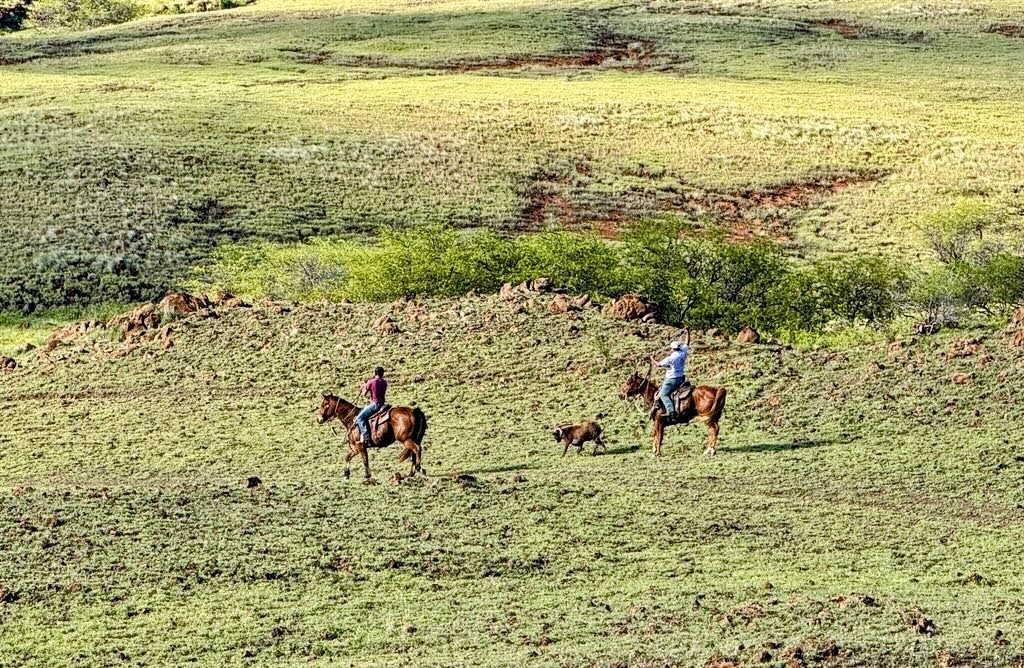
For the deeper story of Waimea—its history, paniolo culture, Parker Ranch, landscape and the forces that shaped the town—read my Waimea (Kamuela): Cool Pastures, Paniolo Country, and Life Below Mauna Kea guide.
If you are actively comparing Waimea neighborhoods, property types, or a particular house with the Kohala Coast, I can help you look beyond the listing description: climate, property systems, permits, land, logistics, comparable sales and what everyday life in that particular location is likely to involve.
With aloha,
Carol Porter
REALTOR® · RS-87584 · HI · Better Homes and Gardens Real Estate Island Lifestyle
Next step
Questions about your own search?
Every situation is different, and the details change the answer. Tell me what you’re considering and I’ll give you an honest read.