Web Analytics
Mauna Kea Resort Communities & Lifestyle | Carol Porter
Better Homes and Gardens Real Estate Island Lifestyle

Lifestyle guide · Kohala Coast

Mauna Kea Resort:
Beaches, Golf & Residential Communities

Mauna Kea Resort brings together two beachfront hotels, two championship golf courses, and a collection of residential communities along Hawaiʻi Island’s Kohala Coast. From beachfront condominiums to established fairway homes and elevated estates, ownership here offers several distinct ways to experience the same resort.

The setting is central to its appeal. Kaunaʻoa Bay and Hapuna Beach anchor the shoreline, while the residential neighborhoods extend inland across golf course terrain and rising slopes. Choosing a property involves more than selecting a floor plan: location, views, maintenance responsibilities, and access to hotel amenities all shape the ownership experience.

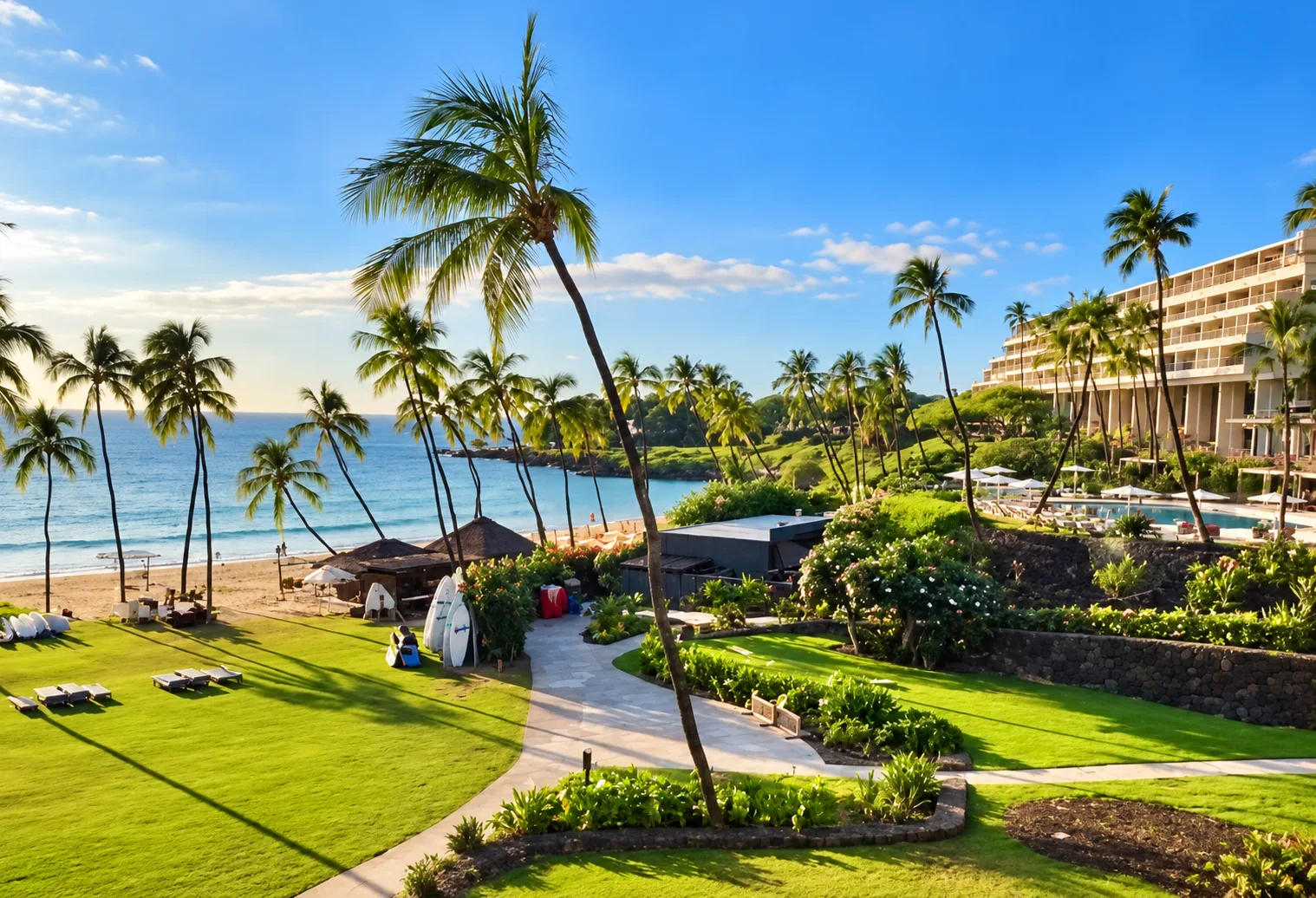
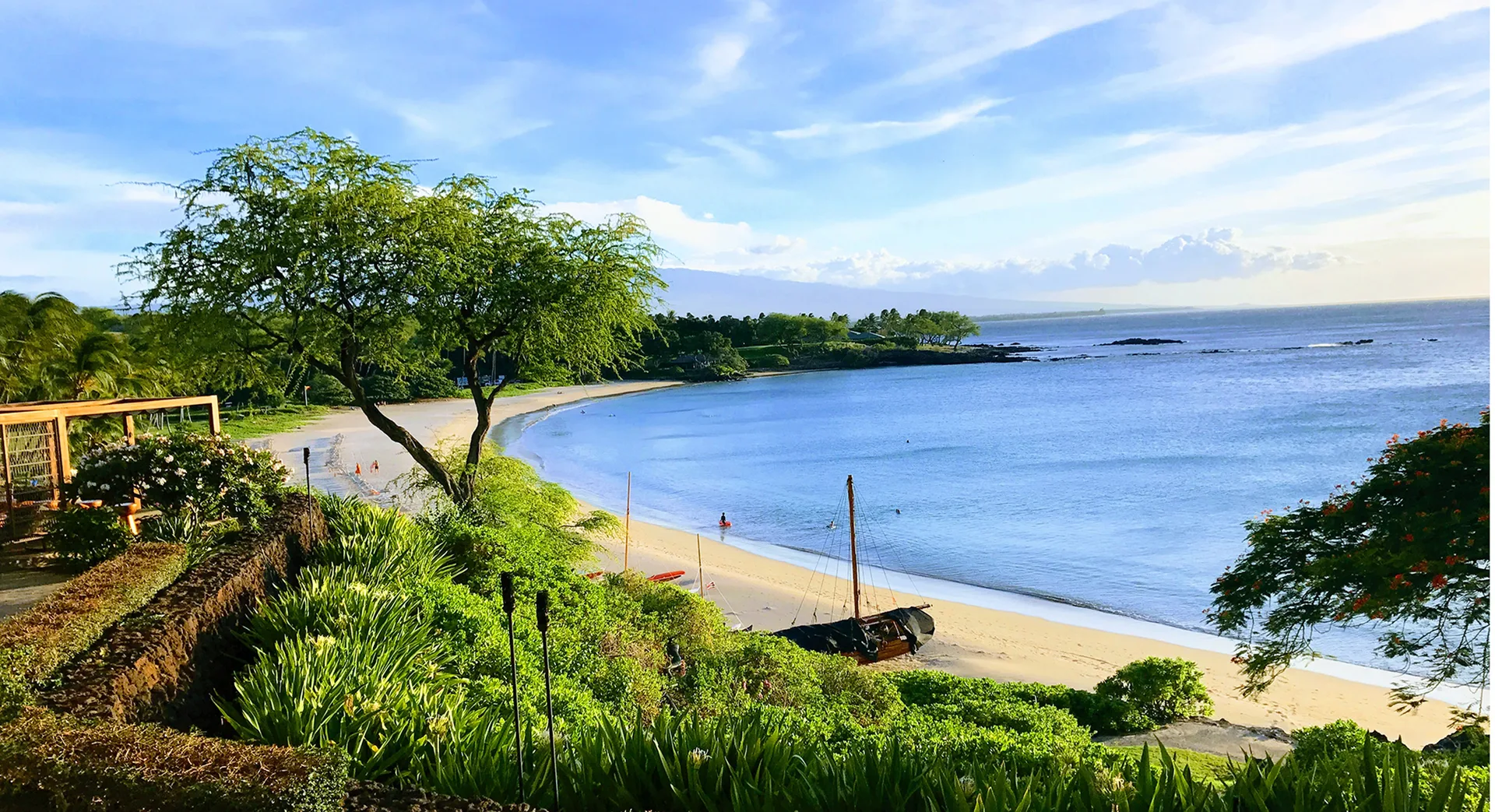
Mauna Kea Beach at the Mauna Kea Resort, a calm crescent bay with green shoreline
Mauna Kea Beach (Kaunaʻaoa Beach), the crescent of sand in front of the eponymous hotel.

A landmark resort

A Landmark on the Kohala Coast

Developed by Laurance S. Rockefeller, Mauna Kea Beach Hotel opened in 1965 and helped establish the Kohala Coast as a resort destination. Its mid-century architecture, open-air spaces, and collection of Asian and Pacific art remain important parts of its identity.

The resort’s second hotel opened in 1994 as the Hapuna Beach Prince Hotel, on land that had been part of Laurance Rockefeller’s original resort development. Overlooking the broad white sands of Hapuna Beach, the hotel was a more contemporary counterpart to the historic Mauna Kea Beach Hotel. Its construction was controversial, however. Hapuna was already one of the island’s most cherished public beaches, and residents raised concerns about public access, environmental impacts, and the changing character of the coastline.

The hotel’s history also includes an interesting evolution of hospitality brands. During the late 1990s, it operated under the Westin name through a franchise agreement with Prince Resorts Hawaii. That agreement ended in January 2001, and the property returned to the Hapuna Beach Prince Hotel name. Following an approximately $50 million renovation, it became The Westin Hapuna Beach Resort in 2018, with redesigned guestrooms, expanded dining and wellness amenities, and a new adults-only infinity pool. Today, the two hotels offer complementary experiences within Mauna Kea Resort, each with its own remarkable beach and distinctive character.

Beyond the two hotels, Mauna Kea Resort also encompasses their golf courses and surrounding residential communities. The original hotel’s architectural legacy sits alongside newer accommodations and residential offerings, giving buyers a choice between established resort homes and more contemporary properties.

The Mauna Kea Beach Hotel above Kaunaʻaoa Bay.
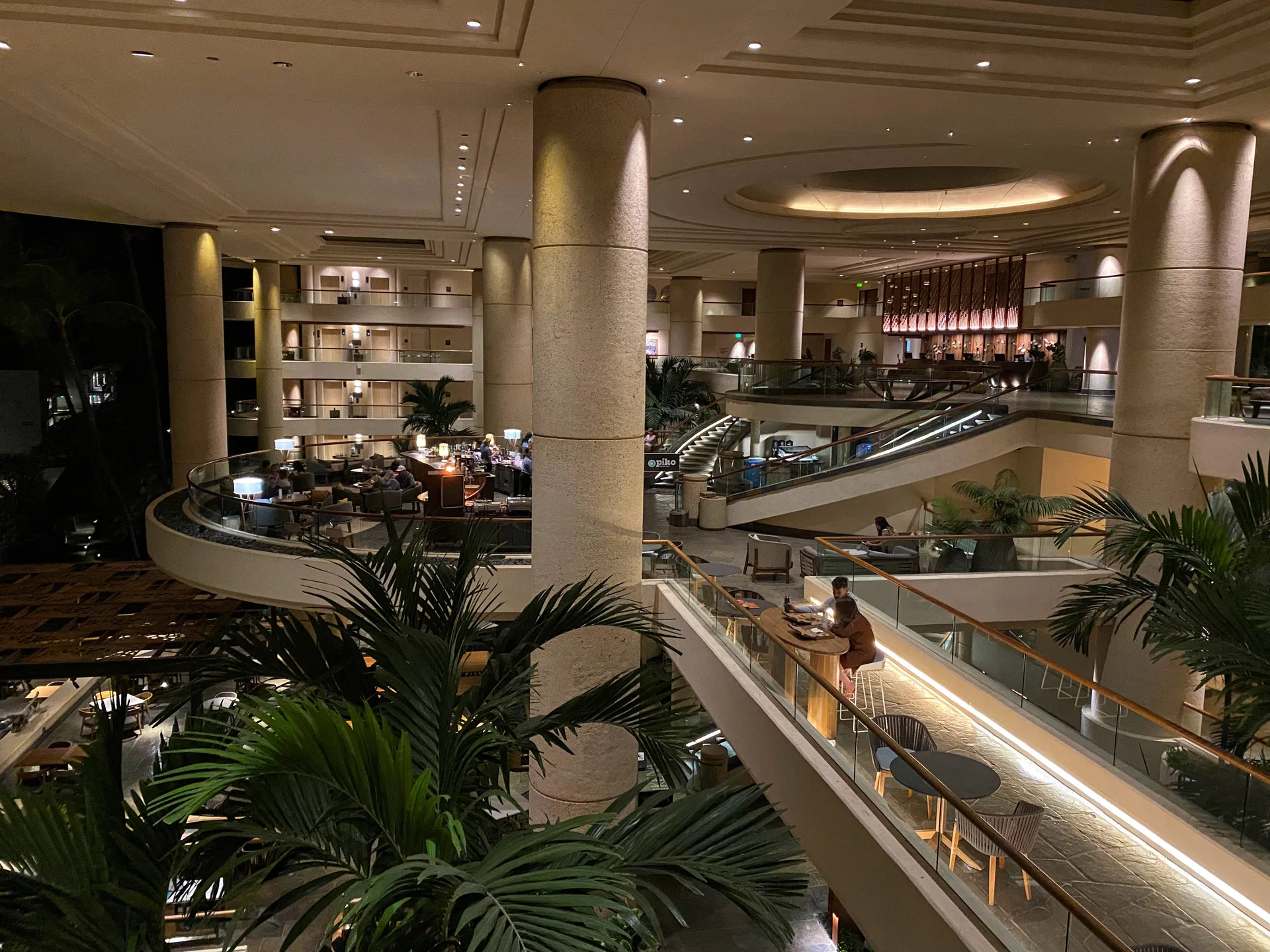
The open-air lobby and Piko Bar at the Westin Hapuna Beach Resort.

Hotels & beaches

Two Hotels and Two Distinct Beaches

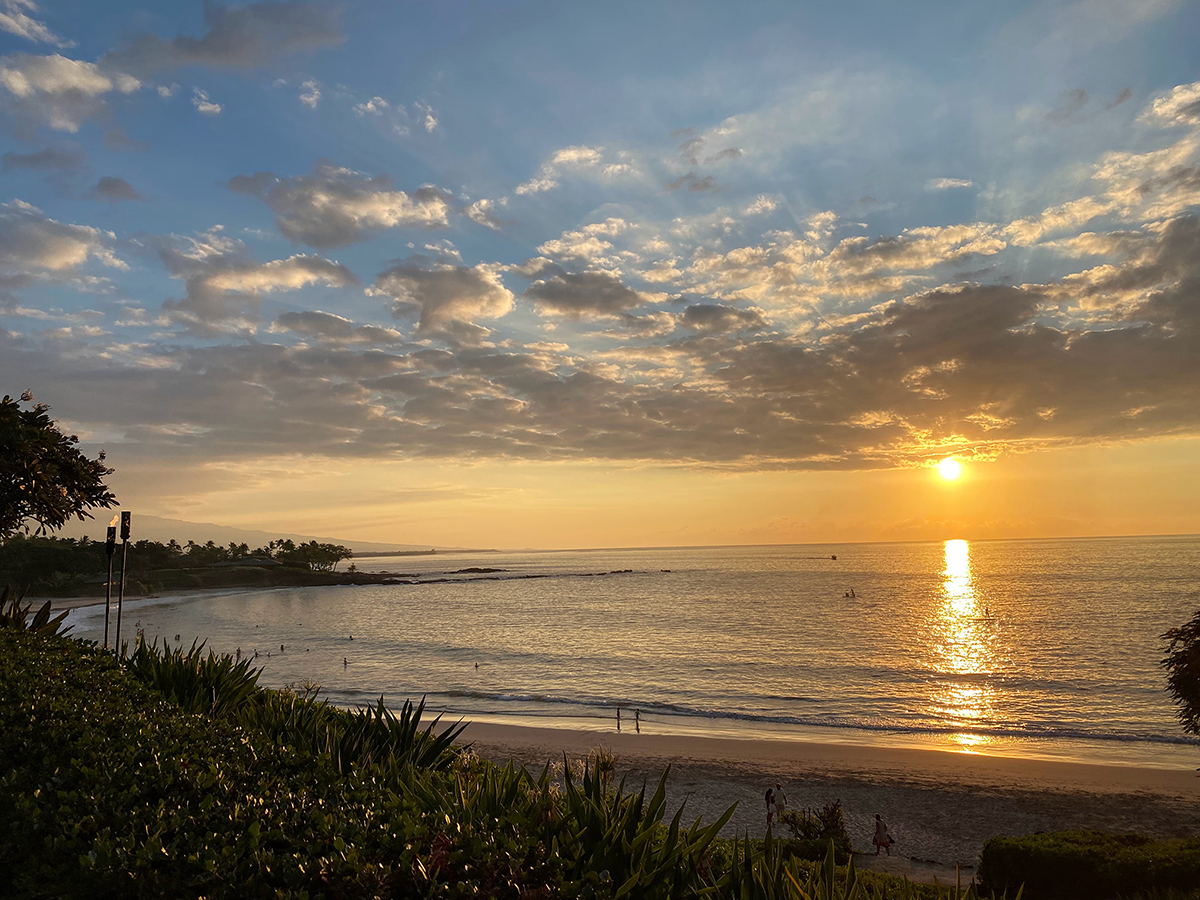
Sunset over Mauna Kea Beach

Mauna Kea Beach Hotel and Kaunaʻoa Bay

Mauna Kea Beach Hotel sits above the crescent of white sand at Kaunaʻoa Bay. Recognized by Historic Hotels of America, the hotel combines its distinctive architecture and Rockefeller Art Collection with extensively renovated accommodations and facilities. Open-air gathering spaces and views across the bay remain central to its character.

Kaunaʻoa offers opportunities for swimming, snorkeling, and paddle sports when ocean conditions permit. The hotel’s illuminated shoreline is also known for nighttime manta ray viewing, adding another memorable experience to this beachfront setting.

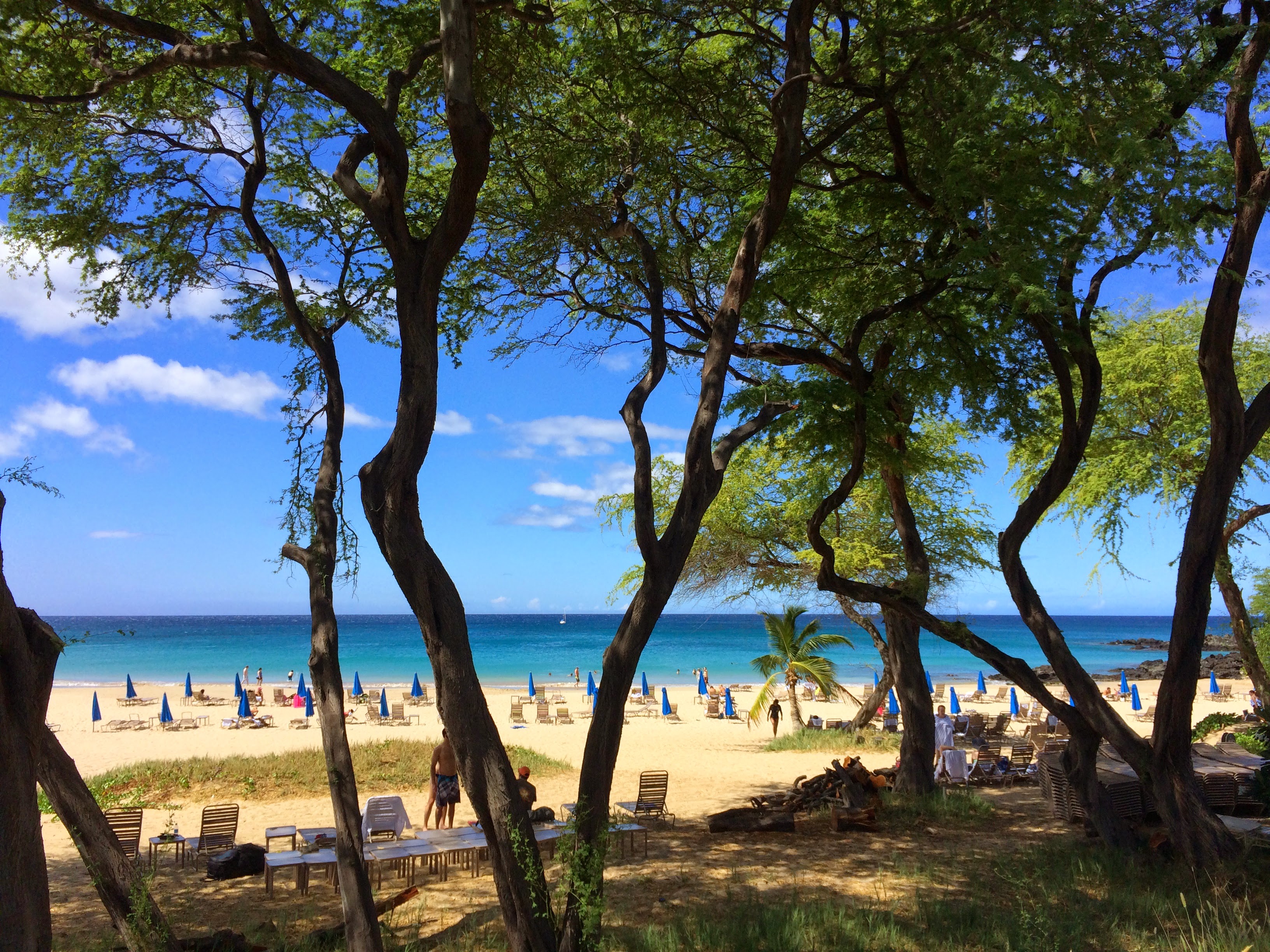
Hapuna Beach at its north end, with Westin Hapuna umbrellas on the sand

The Westin Hapuna Beach Resort and Hapuna Beach

The Westin Hapuna Beach Resort overlooks Hapuna Beach, a broad stretch of white sand with a different scale and atmosphere from Kaunaʻoa Bay. The hotel offers contemporary accommodations, dining, wellness facilities, and separate family and adults-only pools.

Both beaches are public; hotel services and facilities have their own access rules. Ocean conditions also change with weather and swell, so neither beach should be described as consistently calm or safe for every activity.

Culture & hospitality

Omotenashi: Hospitality in the Details

Mauna Kea Resort has a substantial connection to Japan. Its two hotels and golf courses are owned and operated by Prince Resorts Hawaiʻi, part of Japan’s Seibu group. That connection is visible in everyday details, including Japanese breakfast selections offered daily at the buffet and the availability of Japanese-speaking staff to assist guests.

Omotenashi—the Japanese tradition of thoughtful, attentive hospitality—offers a way to appreciate these details. Anticipating needs, easing communication, and helping guests feel comfortable are expressions of care that can enrich anyone’s stay. At Mauna Kea Resort, the Japanese connection adds another dimension to a destination rooted in Hawaiʻi’s landscape, history, and hospitality.

Residential communities

Residential Communities at Mauna Kea Resort

Mauna Kea’s residential offerings range from beachfront condominiums and classic villas to custom estates and upland homes. Some neighborhoods lie closer to the original hotel and Mauna Kea Golf Course; others occupy the Hapuna side and the Uplands. Views, beach proximity, and the practical route to hotel facilities vary by property.

Hapuna Beach Residences

Hapuna Beach Residences offers beachfront condominium ownership beside The Westin Hapuna Beach Resort. Created from a former hotel wing, the residences place owners close to Hapuna’s sand and the hotel’s dining and facilities. For buyers who prioritize a beachfront setting and condominium ownership, this is a distinctive option within the resort.

Kaunaʻoa

Kaunaʻoa is a gated residential community near its namesake bay, offering estate homes and Haliʻa Hale townhomes. Its location and mix of residence types distinguish it from the resort’s upland neighborhoods. Buyers should compare individual properties carefully, since layout, outlook, and proximity to the shoreline differ within the community.

The Bluffs

The Bluffs offers custom estates in an elevated coastal setting. Larger properties and expansive ocean outlooks are important aspects of its appeal, although the specific view and relationship to the shoreline depend on the lot. It is a community to consider for buyers seeking an estate-scale residence within the resort.

Villas at Mauna Kea

The Villas at Mauna Kea offers established villa-style residences near the original hotel and golf course. These homes appeal to buyers who appreciate classic resort architecture, generous lanais, and indoor-outdoor living. Renovation history, layout, pools, and views should be evaluated individually.

Fairways North and Fairways South

Fairways North and Fairways South are separate single-family communities associated with the Mauna Kea Golf Course. Their established homes and landscaping offer a different ownership experience from the resort’s newer developments, with property-specific combinations of fairway, ocean, and coastline views.

For buyers considering an older resort home, the quality of renovations, condition of building systems, and ongoing maintenance deserve as much attention as the setting. These neighborhoods are best compared property by property rather than treated as interchangeable.

High Bluffs

High Bluffs is a small gated enclave of custom estates in an elevated setting overlooking the coastline. Its scale and residential character make it another option for buyers seeking a single-family home within Mauna Kea Resort. Views and outdoor living spaces vary with the individual property.

Moani Heights

Moani Heights is a single-family neighborhood in the Uplands of Mauna Kea Resort. Its elevated setting catches the trade winds, with ocean and mountain outlooks that vary by location. Buyers can compare its homes with the resort’s condominium and villa offerings when deciding how much space and maintenance responsibility they want.

ʻApaʻapaʻa Heights

ʻApaʻapaʻa Heights is a small single-family community in the resort’s uplands, with views toward the ocean, golf course, and surrounding landscape. Its limited size makes it worth including in a resort-wide search even when few properties are available.

Hapuna Estates

Hapuna Estates brings newer residential offerings to the Hapuna side of Mauna Kea Resort. Homesites and contemporary homes provide opportunities for buyers interested in newer construction, golf course surroundings, and elevated ocean views. Available properties and the status of construction should be confirmed when beginning a search.

Amaui Villas

Amaui Villas adds a newer villa offering in the Hapuna Estates area. Its golf course setting and ocean outlooks make it relevant to buyers considering contemporary residences on this side of the resort. Floor plans, ownership responsibilities, and any shared amenities should be reviewed for the specific property.

Waiʻulaʻula

Waiʻulaʻula is a gated community above the Hapuna Golf Course, offering three-bedroom Ridge condominiums and larger villa residences. Ocean, coastline, and fairway views vary by location, while the different residence types provide choices in layout, outdoor space, and maintenance.

The distinction between a Ridge condominium and a villa matters when comparing properties. Buyers should look closely at privacy, stairs, parking, outdoor living areas, pools where present, and the responsibilities assigned to owners and the association.

Kumulani

Kumulani offers two-bedroom, single-level condominium residences in the resort’s uplands. Its ten buildings contain four residences each, set across nearly twelve acres. Steel framing, high ceilings, and tall doorways are distinctive features, while ocean views vary by residence.

Kumulani is worth considering for buyers seeking a smaller residence within Mauna Kea Resort. Its development history sometimes prompts questions; I can help buyers understand that background and review the association documents, current condition, and ownership costs relevant to a particular purchase.

Club membership

The Club at Mauna Kea Resort

Eligible homeowners may apply for annual membership in The Club at Mauna Kea Resort. Membership connects the ownership experience across Mauna Kea Beach Hotel and The Westin Hapuna Beach Resort, with access and benefits determined by the selected membership level and current Club rules.

The opportunity to use facilities at both hotels is a meaningful part of resort living. However, ownership does not automatically include hotel amenity privileges, and access should not be confused with every activity or service being included without additional charges. Buyers should confirm current membership options, fees, benefits, and availability directly with The Club.

Membership and Vacation-Rental Guests

Homeowner members may extend access to houseguests and rental guests through the Club’s Residential Guest Program. Owners who want paying guests to receive those privileges need to comply with the applicable membership, registration, and guest-program requirements.

Golf, recreation & wellness

Golf, Recreation, Dining & Wellness

Two Championship Golf Courses

The Robert Trent Jones Sr.–designed Mauna Kea Golf Course is known for its coastal setting and signature par-3 third hole, with a tee shot across an ocean cove. It is a defining feature of the original resort and the setting for several established residential neighborhoods.

Hapuna Golf Course, designed by Arnold Palmer and Ed Seay, rises across more open terrain with broad ocean and coastline views. The two courses provide different playing experiences and contribute substantially to the landscape surrounding the resort’s homes.

Tennis, Pickleball & Ocean Activities

The seaside racquet facilities offer tennis and pickleball in an oceanfront setting. At the beaches, swimming, snorkeling, bodyboarding, and paddle activities depend on conditions, equipment availability, and the rules governing the relevant services. Lessons, organized activities, and equipment can carry separate charges.

Dining & Wellness

Dining options across the two hotels include Manta, Copper Bar, Hau Tree, and Number 3 (for lunch) at Mauna Kea Beach Hotel and Meridia, Naupaka Beach Grill, and Ikena Landing at The Westin Hapuna Beach Resort

The Spa at Mauna Kea, together with fitness and wellness facilities across the resort, adds another dimension to time spent here. Treatments, classes, and other services should be booked and evaluated separately from general amenity access.

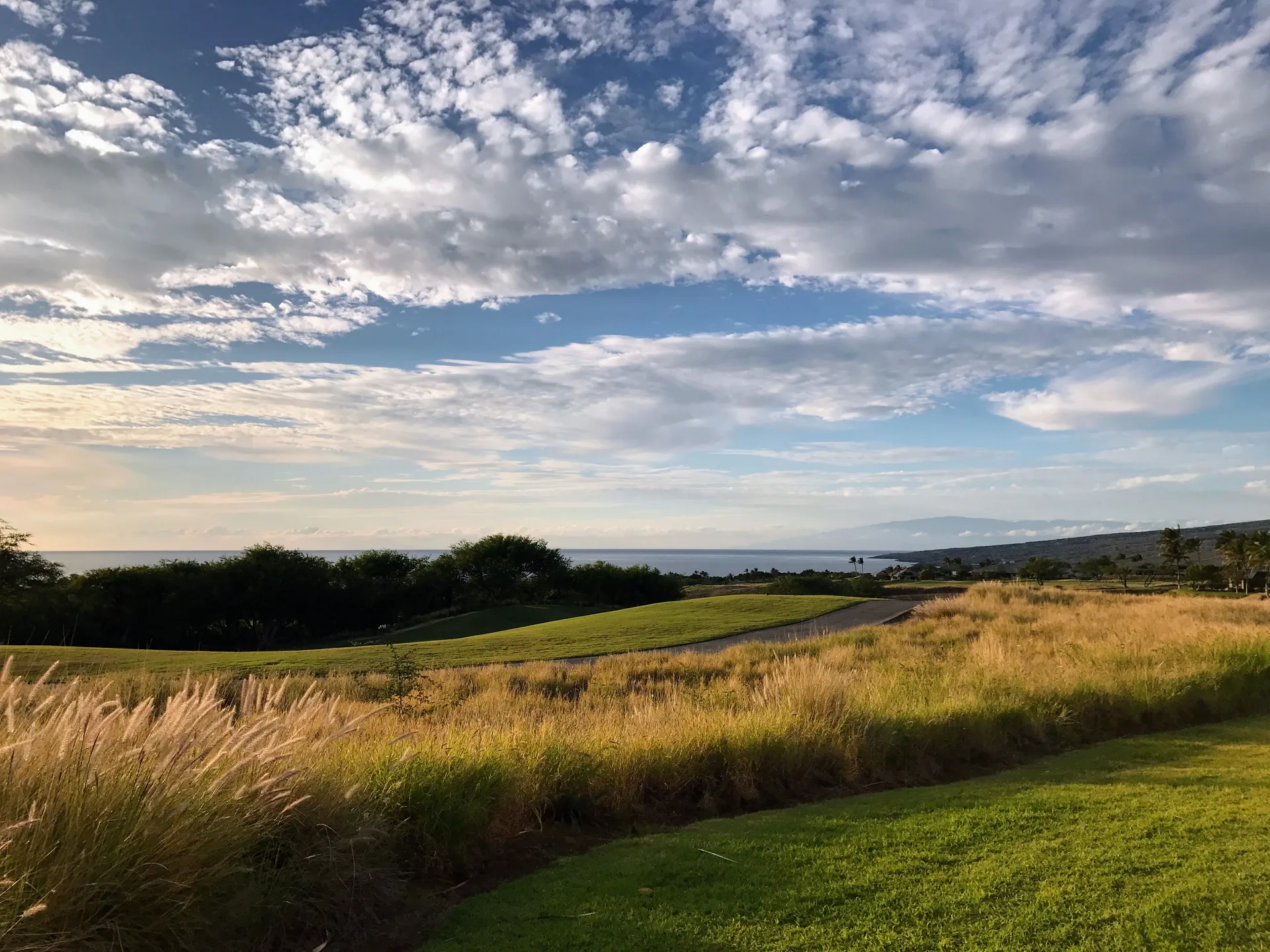
Golf course fairway with golden grasses and the ocean on the horizon
Golf course and ocean horizon at golden hour
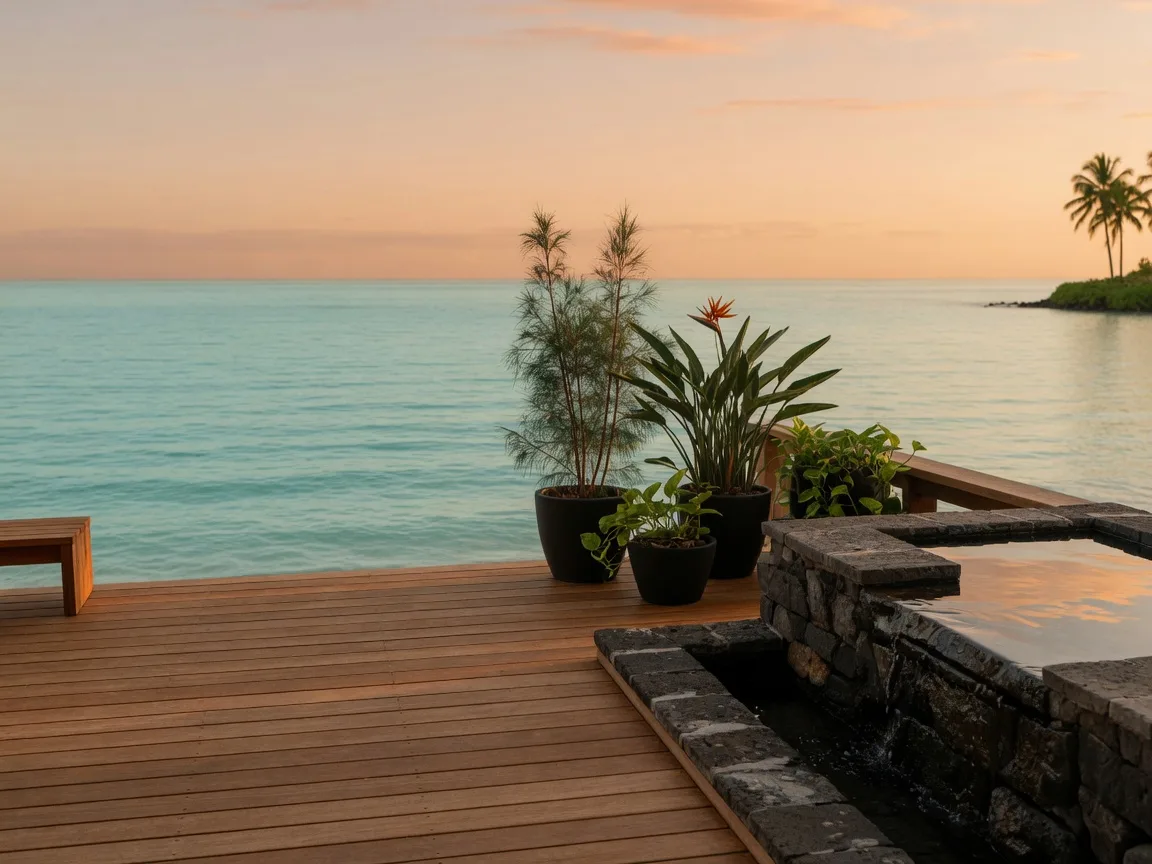
Open-air wellness deck at the resort

Art & culture

Art, Culture & the Coastal Landscape

Mauna Kea Beach Hotel’s Rockefeller Art Collection brings works from Asia and the Pacific into the hotel’s architectural spaces. Art interpretation and self-guided resources offer ways to explore the collection, while cultural programs, music, hula, and the Mauna Kea lūʻau provide additional experiences.

A portion of the Ala Kahakai National Historic Trail passes through the resort’s coastal landscape. Exploring this shoreline offers a perspective beyond the hotels and golf courses; visitors should respect trail conditions, cultural sites, wildlife, and posted guidance.

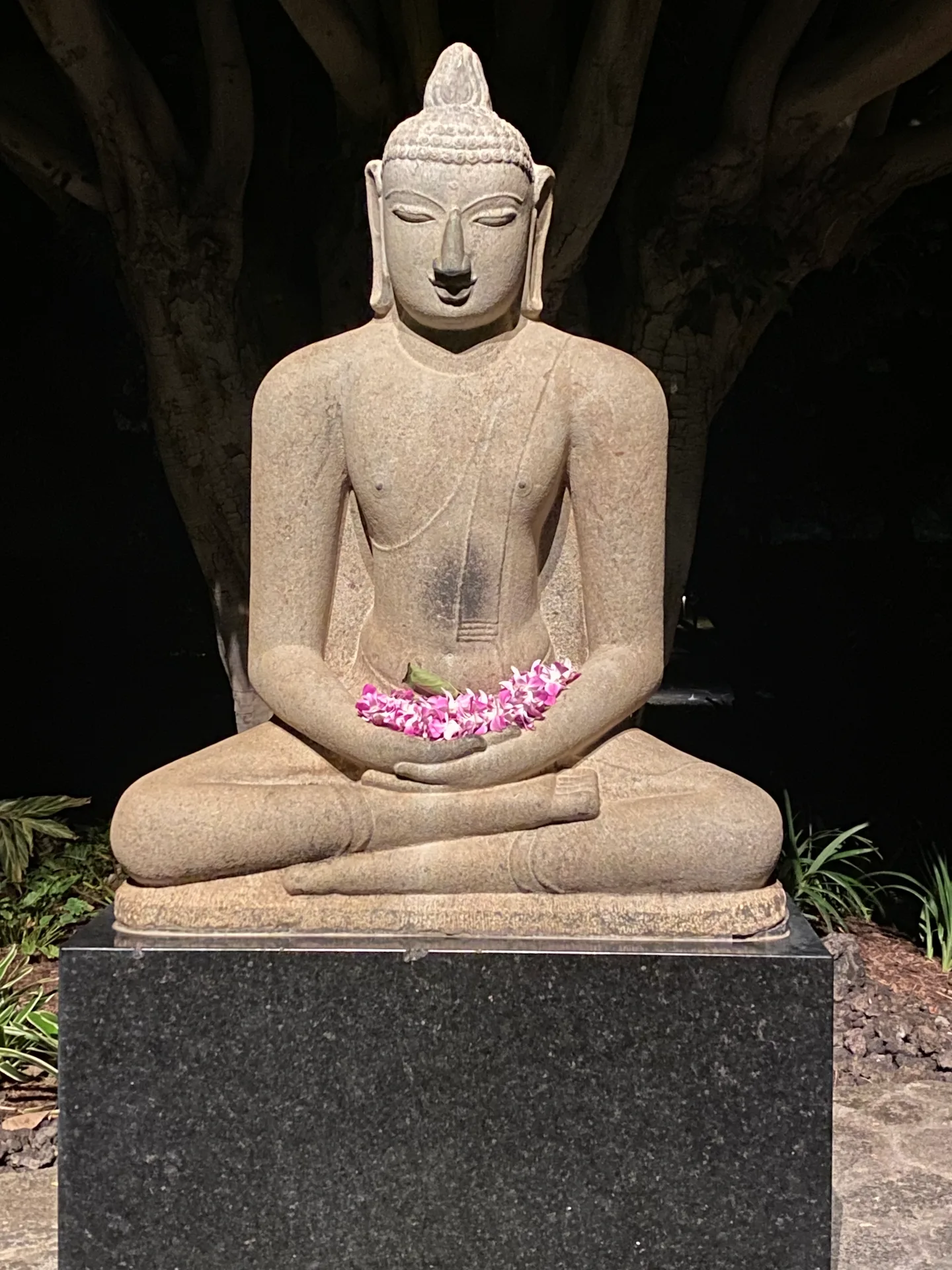
The 12th-century pink granite Buddha at the Mauna Kea Beach Hotel.
This 12th-century pink granite Buddha is a centerpiece of the Mauna Kea Beach Hotel, Autograph Collection’s renowned art collection. Located beneath a Bodhi tree at the summit of the hotel’s grand stairway, this statue is described as the most notable piece in the resort’s museum-worthy collection of artifacts from Asia, Oceania, and the Pacific Rim.

A notable neighbor

A Notable Neighbor: ʻŌuli Farms

Separate from Mauna Kea Resort, ʻŌuli Farms is an agricultural and residential development mauka of the resort. Its phased vision combines homes and farming with native dryland forest restoration and recreational spaces, including plans for more than 200 acres of food-producing agriculture.

It is an interesting neighboring approach to upland living, but its development status, amenities, and membership arrangements should be evaluated independently. Proposed features should not be treated as completed facilities or assumed to include access to Mauna Kea Resort.

Finding Your Place at Mauna Kea Resort

The right community depends on how you intend to use the property. A beachfront condominium, an established fairway home, and an upland villa offer different combinations of space, proximity, maintenance, and ownership costs. Association fees, insurance, property condition, and Club membership all belong in that comparison.

I can help you evaluate those differences and focus your search on properties that suit your plans, whether you are looking for a full-time home, a second home, or a property with vacation-rental potential. My role is to bring the neighborhood details and due diligence together so you can make an informed choice.

With Aloha!

Carol Porter, REALTOR®

Hawaiʻi Real Estate Salesperson RS-87584

Better Homes and Gardens Real Estate Island Lifestyle

Direct: 808-769-0727

carol@betterislandlifestyle.com