
Lifestyle on the Kohala Coast · Community guide
Mauna Lani Resort:
Golf, Coastal Trails, and Everyday Island Living
Mauna Lani brings together beaches, golf courses, historic fishponds, hotels, shops, and residential neighborhoods in a resort that is enjoyable to move around. Its appeal extends beyond an ocean view or a beautiful home: the setting supports an outdoor daily routine, whether that means a morning bicycle ride, a round of golf, a walk beside the fishponds, or dinner close to home.
One of my favorite features is how convenient it is to explore by bicycle. Much of the resort’s terrain is fairly level, and its paved roads make cycling a practical and enjoyable way to get around. Golf carts are another popular option on permitted resort roads, with rentals available for visitors. For buyers who value being able to move between their home and resort destinations without taking the car for every outing, this is an important part of Mauna Lani’s appeal.
Setting
Location and setting
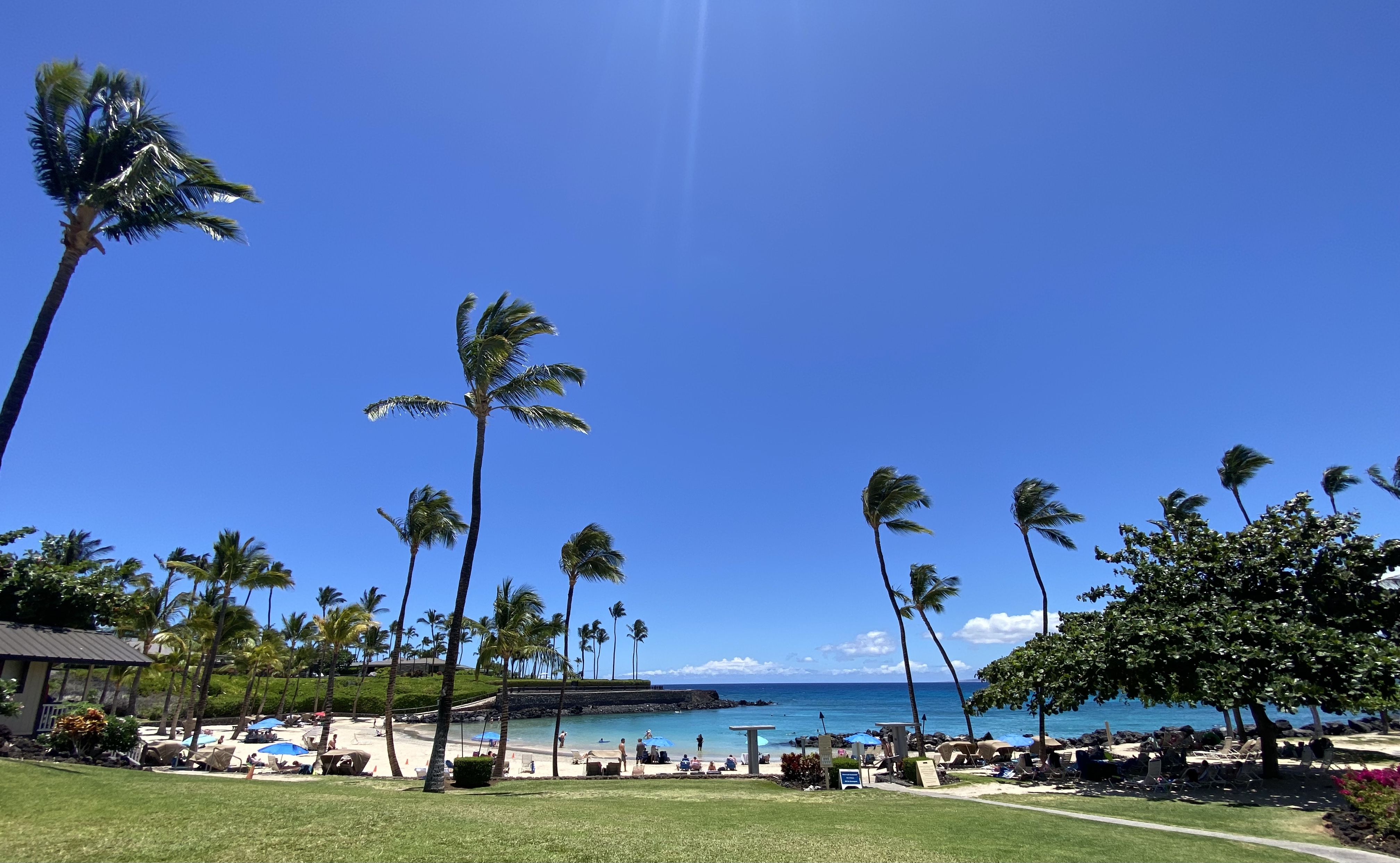
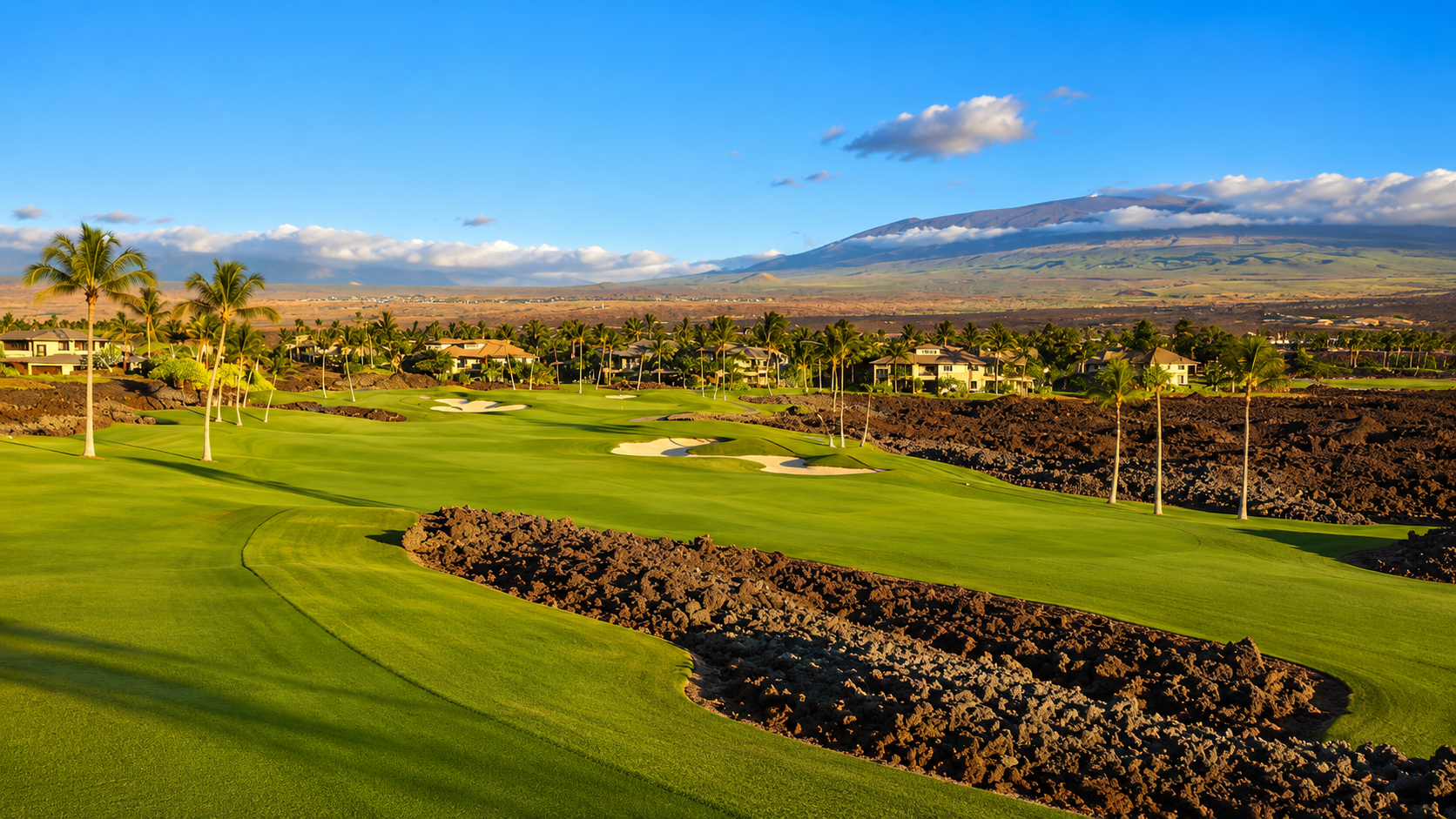
Mauna Lani lies on the Kohala Coast between Waikōloa Beach Resort to the south and Puakō to the north, approximately 25–30 minutes north of Kona International Airport, depending on traffic. Within the resort, golf fairways and landscaped neighborhoods contrast with open lava terrain and a shoreline of sandy coves and rocky stretches.
The resort encompasses much more than its hotels. Residential communities, the Shops at Mauna Lani, recreation facilities, and preserved historic areas all contribute to its character. Where you live within that setting matters: a home near the shops offers a different daily experience from one beside a fairway or close to the ocean.
Getting around
Getting around by bicycle and golf cart
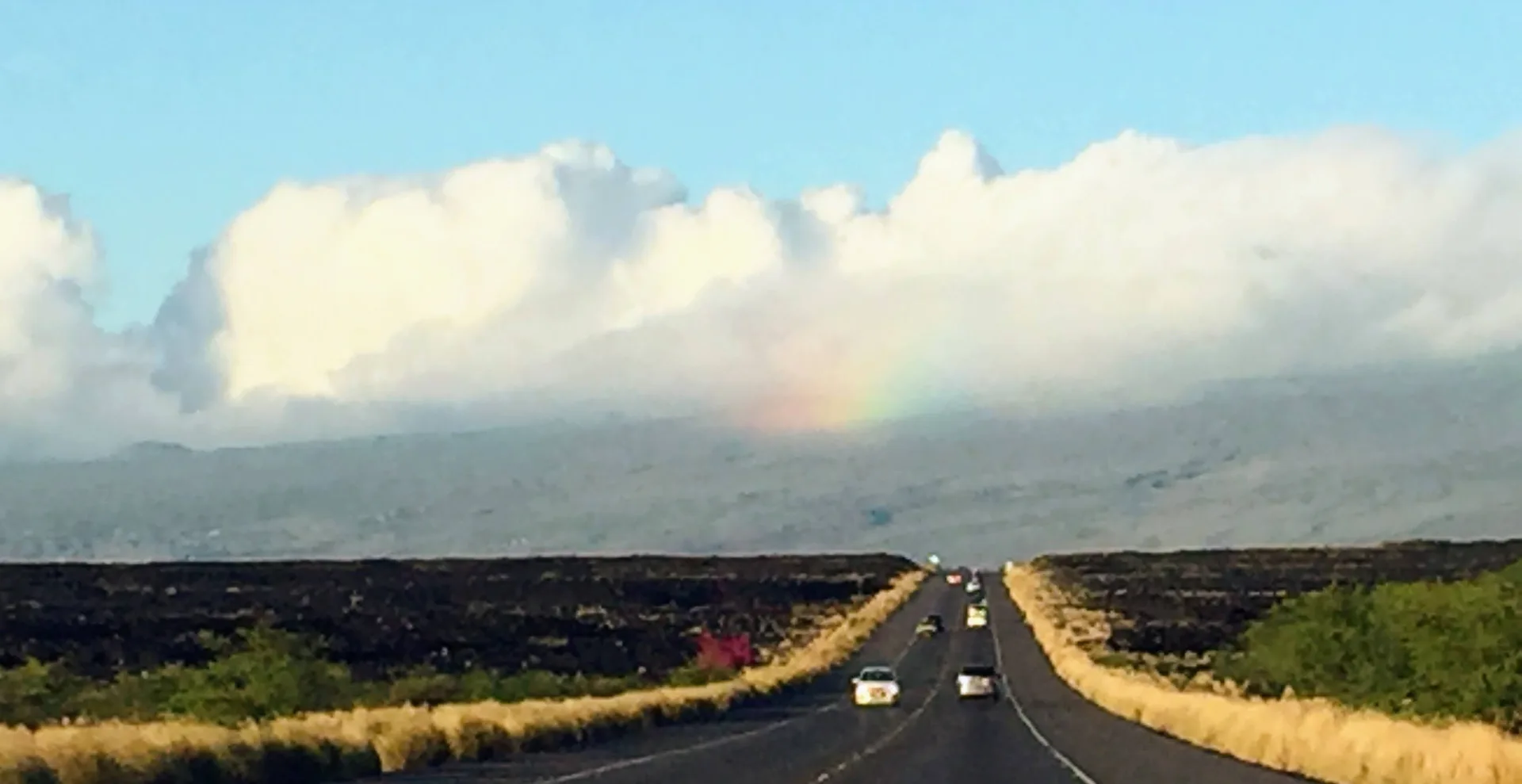
Mauna Lani’s relatively level terrain is one of its practical advantages. A bicycle ride can be part of everyday life here, rather than an outing that requires loading equipment into a car. Mauna Lani, Auberge Collection, includes bicycle use among its guest amenities; visitors staying elsewhere should confirm availability with their accommodation or rental provider.
Golf-cart rentals are also available within the resort, including through a business at the Shops at Mauna Lani. Before buying or renting a cart, confirm the permitted routes, vehicle requirements, parking, and charging arrangements for your particular property. Resort transportation access does not include unrestricted use of golf-course paths, fairways, historic trails, or private property.
For buyers, it is useful to try the routes they expect to use. Distance, shade, traffic, and the location of a particular home all affect how convenient a trip will feel on foot, by bicycle, or by cart.
Golf and activity
Golf and other ways to stay active
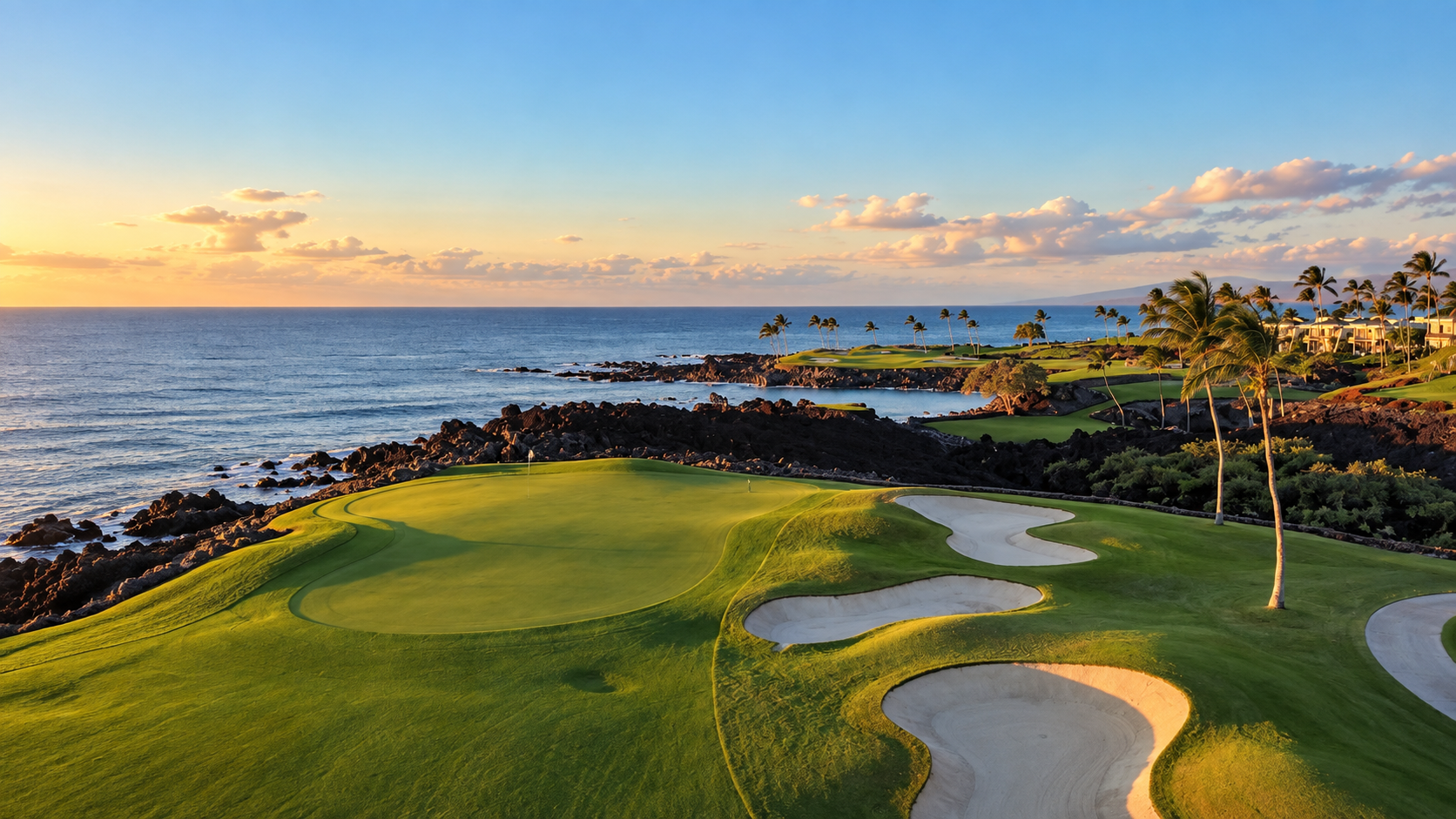
Golf is central to Mauna Lani’s identity. Its North and South Courses provide two distinct 18-hole experiences, supplemented by the nine-hole Wikiwiki Course. The North Course winds through kiawe trees, while the South Course includes the well-known ocean-crossing 15th hole. The golf operator offers several ways to play, including membership and programs for repeat visitors and part-time residents.
There are options beyond golf as well. Tennis, pickleball, fitness, and ocean activities are offered through resort operators, although access, fees, and eligibility depend on the facility and program. Fairmont Orchid, for example, operates a tennis center with pickleball facilities. Owning a home within Mauna Lani should not be confused with receiving unrestricted access to every hotel or recreation amenity.
Beaches
Beaches and the homeowner Beach Club
The Mauna Lani Resort Association Beach Club is an important ownership benefit. Its gate access, parking, lounge chairs, and other member amenities are governed by MLRA rules for qualifying owners and guests. Those privileges make a beach outing convenient, but they do not make the shoreline a private beach. Public shoreline access and private club facilities are separate matters.
The resort’s shoreline offers different experiences, from sandy beach settings to rocky coastal walks. Swimming and snorkeling conditions change with weather and swell, so it is better to choose an outing based on current conditions than to assume that a resort beach is always sheltered.
When comparing properties, consider how you would actually reach the beach. A nearby home, a bicycle ride, and a golf-cart trip can each offer an appealing routine, but they are different experiences.
History and shoreline
Fishponds, coastal walks, and Hawaiian history
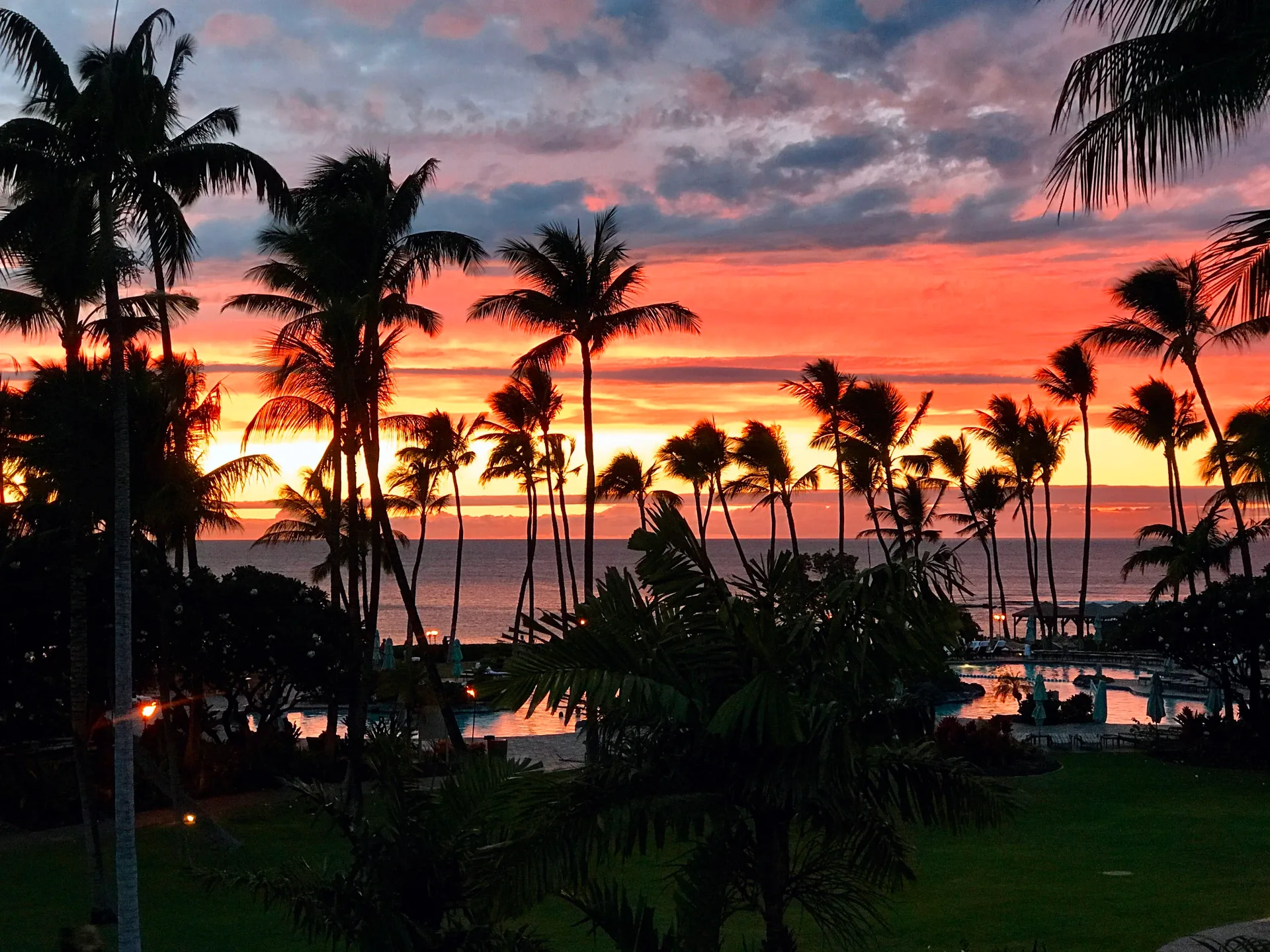
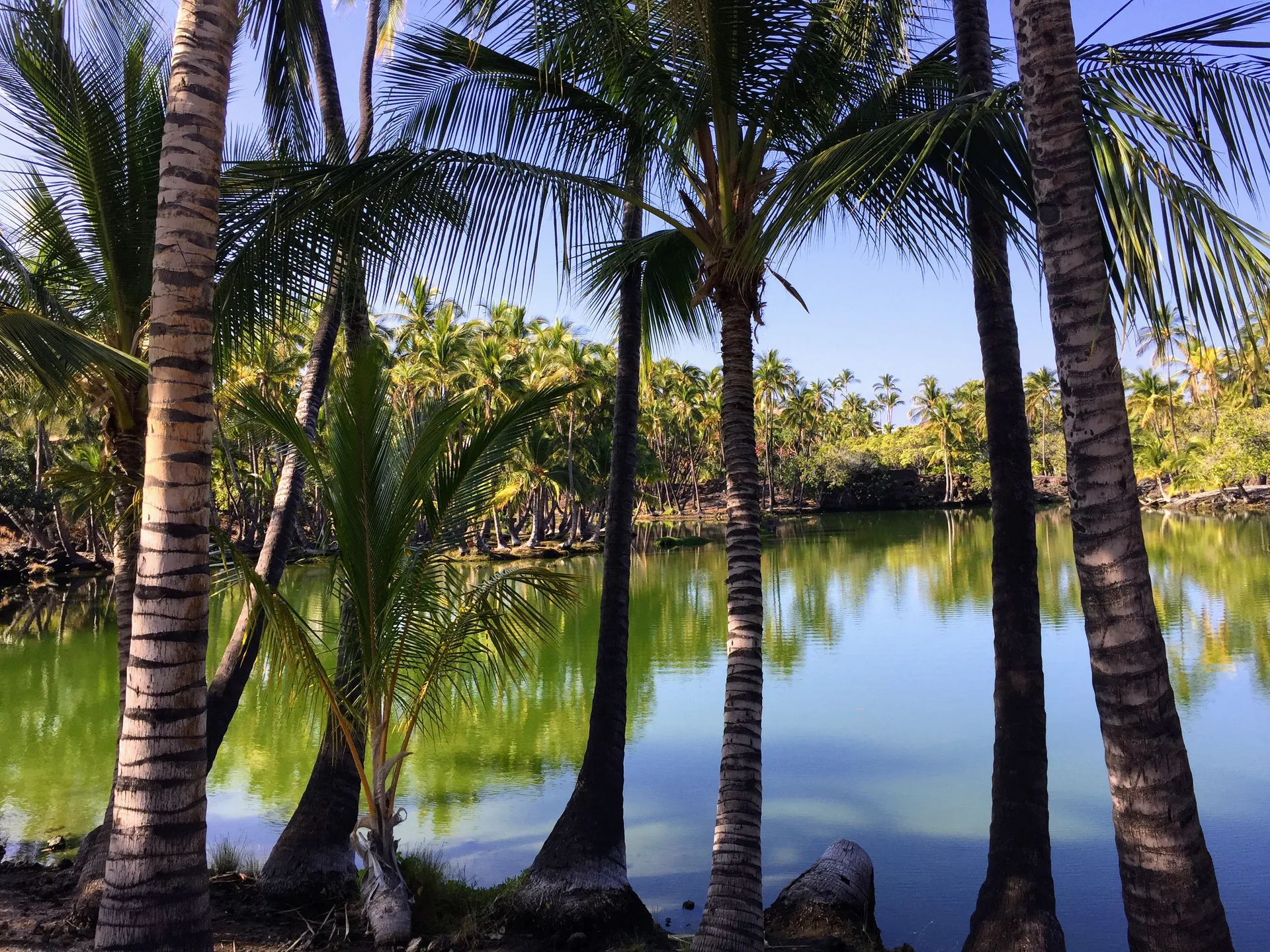
Mauna Lani’s historic fishponds and preserved cultural landscapes deserve a central place in any description of the resort. Walking here offers an opportunity to appreciate a place whose history long predates the hotels and residential communities. Fishponds, historic parks, petroglyphs, and shoreline trails contribute to the experience of spending time here.
The modern resort’s history includes the partnership between Francis Hyde Iʻi Brown and Noboru Gotoh of Japan’s Tokyu Corporation. According to the Mauna Lani Resort Association, they met at the 1964 Tokyo Olympics and developed a shared vision that brought together golf, resort development, and preservation of the area’s history.
These places are more than scenery. Following posted access guidance and respecting cultural sites are part of enjoying the resort responsibly.
Everyday convenience
Restaurants, groceries, and everyday convenience
Mauna Lani’s two hotels—Mauna Lani, Auberge Collection, and Fairmont Orchid—provide dining and hospitality experiences within the larger resort community. They are distinct destinations, and their restaurants and activities add variety to life here.
The Shops at Mauna Lani also deserve attention. Foodland Farms supplies groceries, prepared foods, and locally grown and made products, while restaurants and smaller food businesses provide alternatives to hotel dining. Having those options within the resort is useful for owners who want to cook at home, pick up lunch, or meet someone for dinner nearby.
My brokerage’s office is at the Shops at Mauna Lani, so this is also a convenient place to meet and discuss the differences among the resort’s communities.
Residential communities
Choosing a residential community
Mauna Lani offers a broad range of residential settings. Communities such as Golf Villas, Fairways, Kulalani, Palm Villas, the Islands, and the Villages provide different condominium and townhome layouts. Mauna Lani Point and Mauna Lani Terrace offer other settings to consider, while communities such as Champion Ridge, Pauoa Beach, and 49 Black Sand broaden the choices for buyers interested in detached homes and estate properties.
The community name is only the beginning of the comparison. Floor plans, stairs, lanais, privacy, proximity to recreation, and the relationship between neighboring homes can matter as much as the view. A detached residence may also be held under a condominium ownership structure, so appearance alone does not tell you how ownership and maintenance responsibilities work.
Activity levels vary, too. A home near a pool, restaurant, or frequently rented property may feel different from one in a more secluded location. Visit the specific neighborhood and, when possible, the property at different times of day.
Outdoor living
Outdoor living—and the question of grilling
For many buyers, the lanai is an essential part of the home. Its shade, orientation, seating space, and relationship to neighboring properties determine how comfortably it can be used for meals, reading, or entertaining.
Grilling is worth checking early if it matters to you. Some Mauna Lani properties have built-in grills or outdoor kitchens; other communities provide shared barbecue facilities. A grill visible in a listing photograph is not proof that the current rules permit that installation or that owners and rental guests have identical privileges.
Before purchasing, review the community’s current governing documents and confirm the rules with its managing agent. Ask about permitted equipment and fuel, installation requirements, and any restrictions on guest use. That small detail can make a substantial difference to how well a home suits your everyday life.
The comparison
Mauna Lani or Mauna Kea?
The comparison is most useful when it focuses on how you want to spend your time. Golfers may prefer one resort’s courses, while beach lovers may place greater importance on the beach setting. Mauna Kea Resort ’s varied elevations offer another consideration when comparing homes and neighborhoods. These are personal preferences, rather than a universal ranking.
Mauna Lani’s relatively level terrain and the convenience of getting around by bicycle or golf cart are particularly appealing to me. Buyers who place more emphasis on elevation, beach setting, or a particular neighborhood may reach a different conclusion. Exploring both resorts—and specific communities within each—is more useful than choosing from labels such as “traditional,” “contemporary,” or “quiet.”
Before you buy
Practical considerations before buying
Ownership involves both the individual property and its association structure. Compare the applicable dues, maintenance responsibilities, financial condition, insurance, reserves, and planned projects. Confirm which amenities are included and which require separate membership or payment.
Rental and house rules also differ among Mauna Lani’s residential communities. The Mauna Lani Resort Association notes that short-term rental policies are established at the subassociation level and that some communities prohibit them. If rental use is part of your plan, verify both the property’s applicable approvals and the community’s current rules.
The best choice is the property that supports your intended use: full-time living, seasonal stays, visits with family and friends, or an eligible rental arrangement. Understanding those details before purchasing helps connect the appeal of resort living with the realities of ownership.
Work with me
Explore Mauna Lani with me
If Mauna Lani is on your shortlist, I can help you compare its communities around the things that matter to you—golf, beach access, cycling, privacy, outdoor cooking, or the convenience of nearby shops. We can look beyond the listing photographs to consider how you would actually live in each property.
With aloha,
Carol
Carol Porter, REALTOR® Salesperson | RS-87584
Better Homes and Gardens Real Estate Island Lifestyle
Talk with Carol about Mauna LaniRelated reading and nearby guides
Related reading and nearby guides
More living guides
- Mauna Kea Resort The neighboring resort to the north, with Kaunaʻoa Bay, Hāpuna Beach, and its own residential communities.
- Waikōloa Beach Resort The coastal resort to the south, with its hotels, marketplaces, golf, and ʻAnaehoʻomalu Bay.
- Puakō The old beach community just north of Mauna Lani, with tide pools and a local shoreline.