
Choosing an area
Buying in Kaʻū: What an Off-Grid Tiny House Taught Me About Due Diligence
 By Carol Porter, Realtor® · September 14, 2026
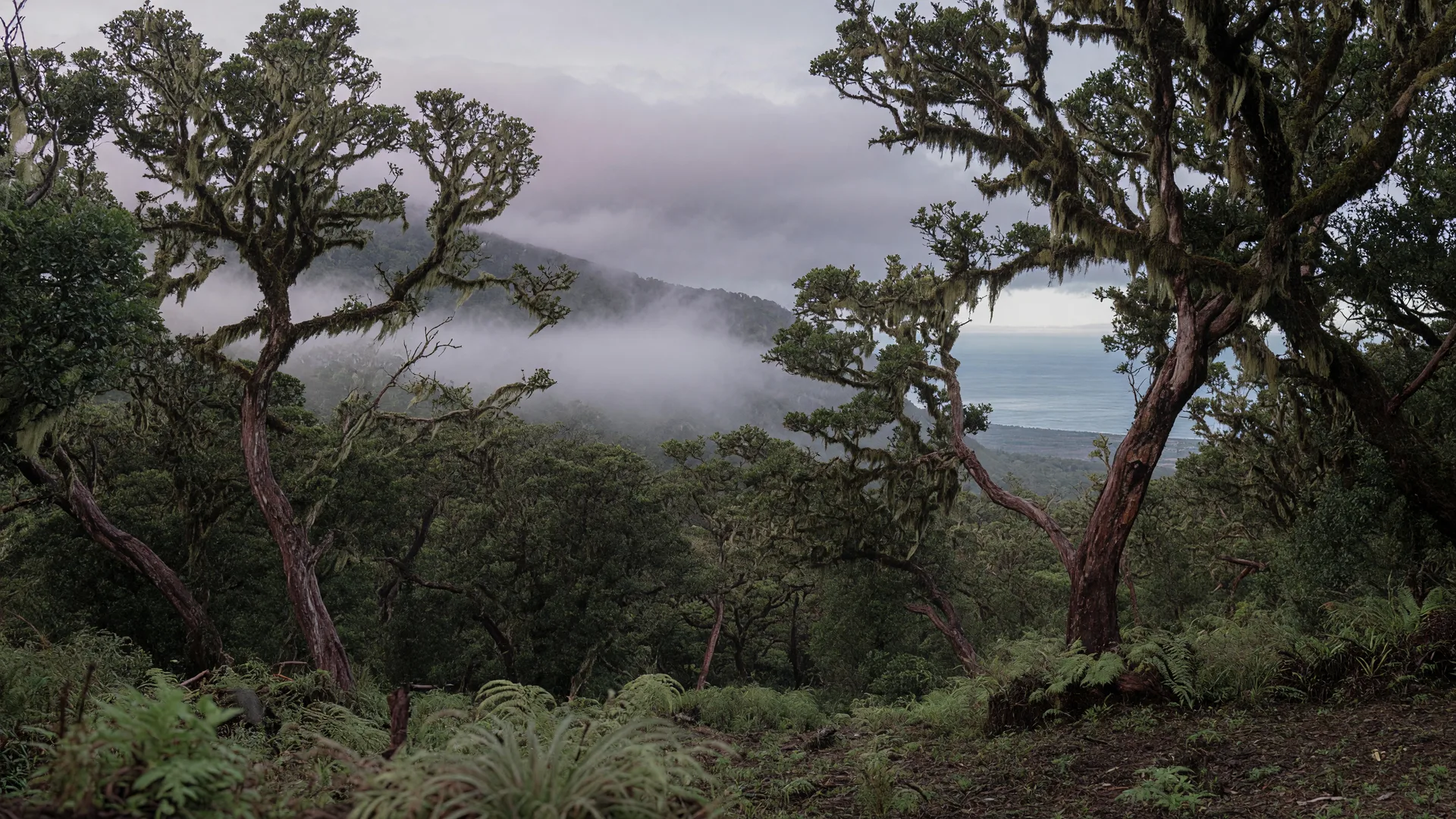
Kaʻū is one of the most distinctive parts of Hawaiʻi Island. It is vast, rural, lightly populated, and home to some of the island’s most affordable land and housing. It is also a place where buying property can require a very different kind of due diligence than buying in Waimea, Kona, or one of the Kohala Coast resorts.
I recently represented a buyer purchasing an unusual little house in Hawaiian Ocean View Estates. The transaction illustrates both the appeal of buying in Kaʻū and the importance of understanding exactly what you are buying.
Why the land is affordable here
Much of Kaʻū lies in Lava Zones 1 and 2, the two highest lava-flow hazard zones on Hawaiʻi Island. Hawaiian Ocean View Estates, for example, is largely in Lava Zone 2 on the southwest flank of Mauna Loa.
Those hazard designations are one reason land values can be substantially lower than on the resort coast. Remoteness, infrastructure, access to services, and limitations on financing and insurance also shape the market.
That combination has produced a housing market unlike most of Hawaiʻi Island. In some communities, unpermitted and off-grid construction is not unusual, and cash transactions are common because financing and insurance can be more complicated than they are in other parts of the island. Water catchment, solar power, generators, septic systems, cesspools, private roads, and owner-built structures may all be part of the equation.
That doesn’t make every such property a bad purchase. It does change the due diligence.
Kaʻū is much more than Ocean View
It is also important not to think of Kaʻū as one homogeneous real estate market. The district stretches across an enormous portion of the southern end of Hawaiʻi Island and includes very different communities and landscapes.
Nāʻālehu is a core community of Kaʻū, and in August 2026 it suffered devastating flash flooding during Hurricane Lala. Nearby Waiʻōhinu, with its enormous monkeypod trees and historic character, feels very different from the subdivisions farther west. Pāhala has its own history as a former sugar plantation town. Punaluʻu has its famous black-sand beach, and the district extends into Hawaiʻi Volcanoes National Park.
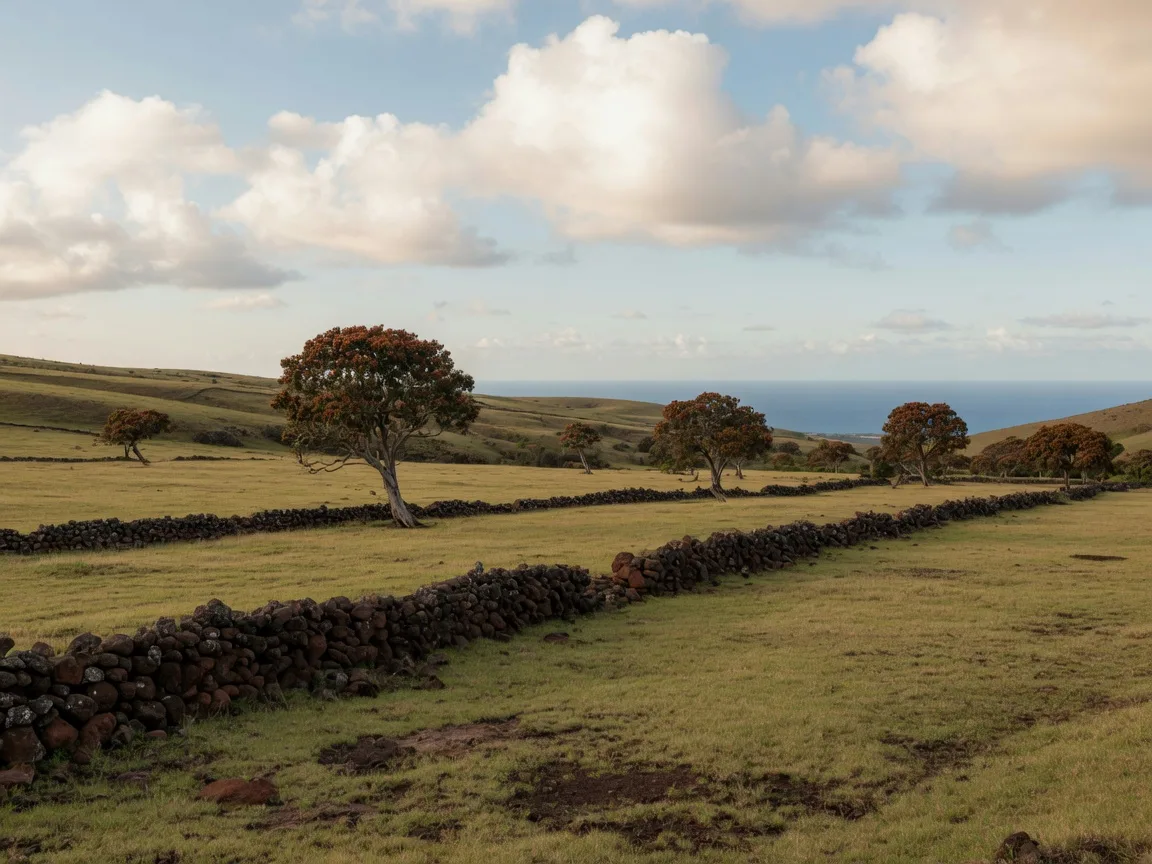
Then there is Ocean View.
Hawaiian Ocean View Estates is enormous—one of the largest subdivisions in the United States by area—with thousands of mostly one-acre lots climbing the slope of Mauna Loa. When it was first developed, it was the largest subdivision in the United States, and an HOA was created just to manage and maintain the 157 miles of roads within it. Elevation makes an enormous difference. Lower Ocean View can be hot, dry and exposed; higher elevations are cooler and can be cloudier and wetter. Roads, views, vegetation, wind and even the practicalities of everyday living can change considerably as you move through the subdivision.
You cannot evaluate an Ocean View property from the listing description alone.
A tiny treehouse in Ocean View
The property my buyer chose was unusual even by Ocean View standards: a small, thoughtfully built off-grid house tucked into the landscape, with a polycarbonate roof, solar power, water catchment, and careful construction throughout.
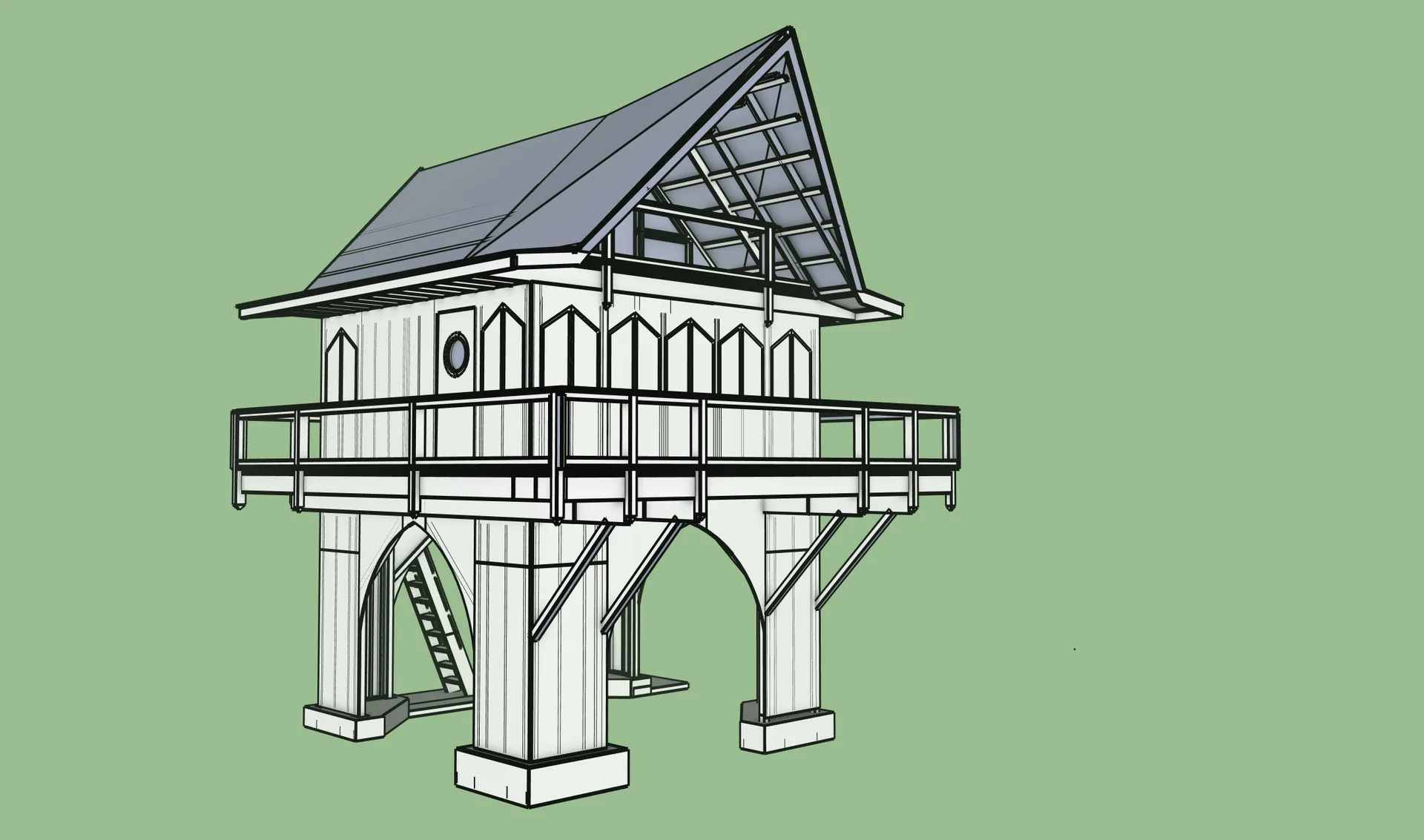
It was charming. More importantly, it appeared to be very well built.
But it was built entirely without permits.
Unpermitted construction is not unusual in parts of Kaʻū and Puna, but that does not mean buyers should treat permitting status casually. “Unpermitted” tells you something very specific: the County has not reviewed and approved the work through the normal permitting and inspection process.
That is separate from the question of construction quality.
A poorly built structure can be unpermitted. So can an exceptionally well-built one. Without the permitting and inspection record, however, a buyer needs another way to understand what was actually constructed.
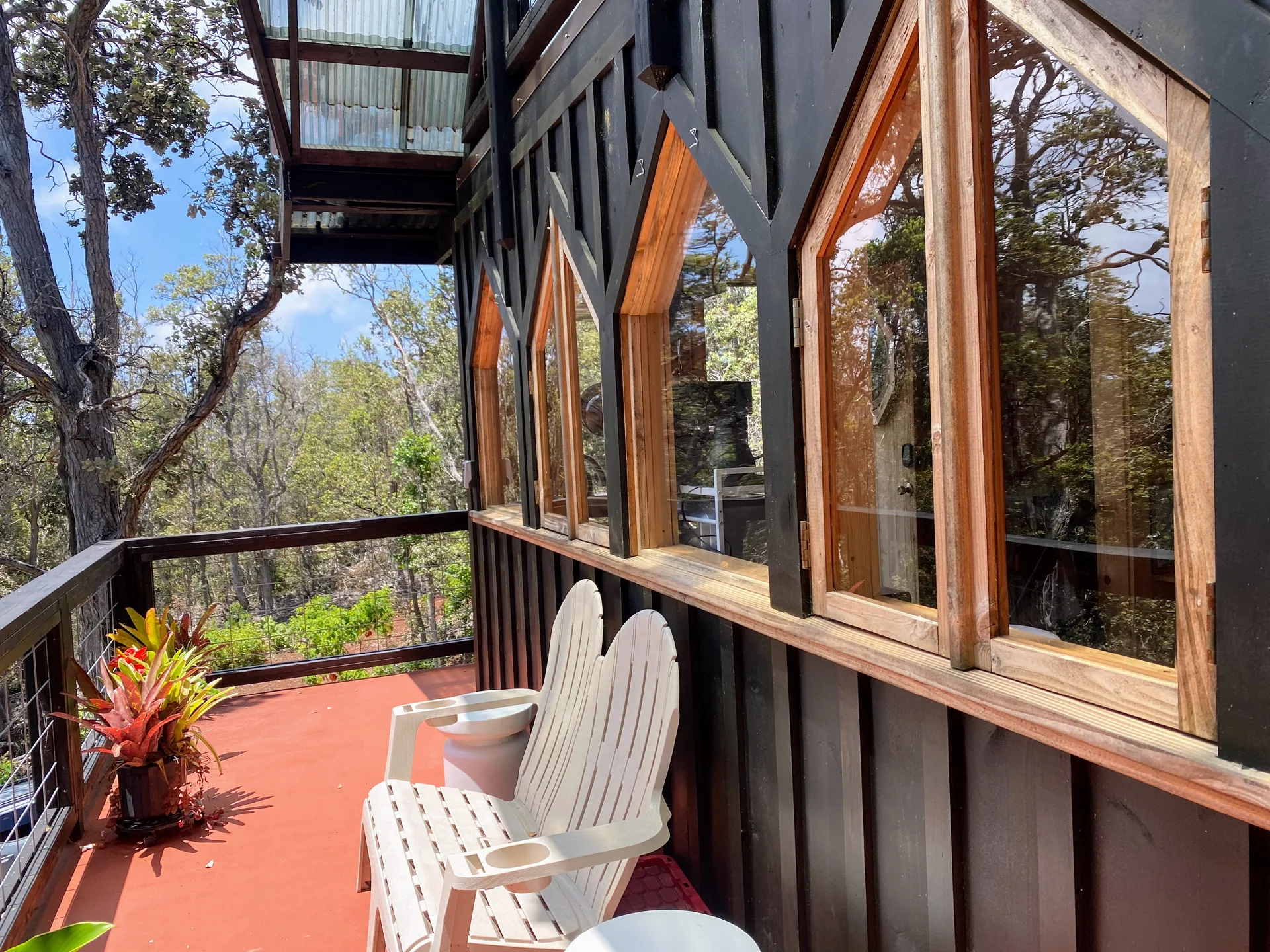
Document what you cannot verify through the County
That became one of the central due-diligence issues in this transaction.
Because there was no County paper trail to reassure the buyer, as part of the sale contract I required the seller to provide detailed documentation of every step of construction: dated photographs, videos, receipts, plans, and other available records.
That documentation does not make an unpermitted structure permitted. But it gives the buyer and the appropriate licensed professionals far more information about what was actually built and how it was constructed.
The buyer can use that record as a starting point for investigating an as-built permitting process with Hawaiʻi County. Whether an existing structure can ultimately be permitted as built, requires modifications, or presents other issues is a determination for the County and the appropriate design and construction professionals.
What mattered during the purchase was understanding the difference between what we knew about the quality of the construction and what had—and had not—been approved by the County.
The house is only part of what you are buying
With an off-grid property, due diligence extends well beyond the walls.
How much solar capacity does the property have? What is the condition and expected life of the batteries? Is there a generator, and how is it integrated into the system? How large is the catchment tank? How is the water filtered and treated? What wastewater system serves the property? What maintenance does each system require, and what will eventually need replacement?
Access matters too. A driveway or road that looks perfectly acceptable on a sunny afternoon may be a different proposition during heavy rain. Distance to groceries, medical care, hardware stores, fuel, schools, emergency services and other necessities can become much more significant when you live there rather than visit for a showing.
And then there is insurance. Availability, coverage and cost can vary substantially depending on the property, location, construction, permitting status and lava zone. Financing can be equally property-specific.
These aren't reasons not to buy. They are things to understand before you do.
What this sale shows you
A few lessons from this transaction apply broadly when looking at property in Kaʻū:
- In parts of Kaʻū, lower prices reflect a combination of volcanic hazard, remoteness, infrastructure, and financing and insurance constraints.
- Unpermitted construction is not unusual, but construction quality and permitting status are separate questions, and both need investigation.
- Documentation matters. Photographs, receipts, plans and construction records can help buyers and their professionals understand what was built, but they do not guarantee that an existing structure can be permitted as built.
- The systems matter as much as the siding: solar, generator, catchment and filtration, wastewater, and how each one is maintained.
- Location is a commitment. Distance to services, roads, weather, elevation and the character of the community shape daily life as much as the floor plan does.
Buying in Kaʻū requires a different lens
There are remarkable properties in Kaʻū, including homes and parcels that offer space, privacy and independence at prices that are increasingly difficult to find elsewhere on Hawaiʻi Island. Some buyers specifically want the off-grid lifestyle and would consider the differences advantages rather than compromises.
But inexpensive land does not eliminate risk; it changes where you need to look for it.
A buyer considering Kaʻū should understand the specific parcel, not just the subdivision. Lava zone, elevation, access, water, wastewater, power, permits, insurance, financing and distance from services can all matter. Two properties that look similar online may present very different practical and financial considerations.
That is where careful due diligence earns its keep.
If you are considering property in Kaʻū, I will walk a specific parcel with you, help you establish what is on record, talk through what the day-to-day is really like, and help you weigh the tradeoffs honestly.
With aloha,
Carol Porter
REALTOR® · RS-87584 · HI · Better Homes and Gardens Real Estate Island Lifestyle
Next step
Questions about your own search?
Every situation is different, and the details change the answer. Tell me what you’re considering and I’ll give you an honest read.